
Ninh Binh works to realise urban system development strategy
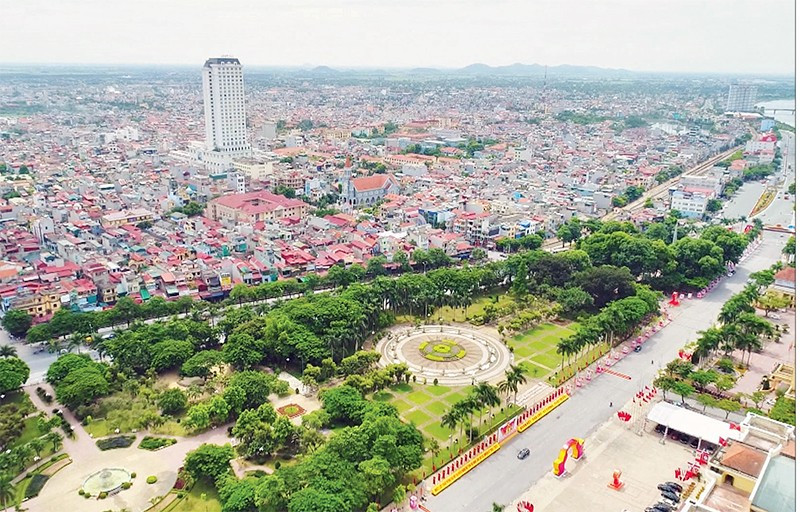
In addition to 32 wards identified as urban areas according to the provisions of the Law on Organisation of Local Administrations, the province also has 31 merged communes, including old towns and areas recognised as type V urban areas.
Ninh Binh considers the construction and development of communes to soon become wards as one of the top important tasks of the province. Therefore, the Resolution of the First Ninh Binh Provincial Party Congress for the 2025-2030 term determines: Promoting potential, advantages, resources, driving forces, accelerating breakthroughs according to the new growth model; striving by 2030, Ninh Binh will become a centrally-run city with modern industry, high-quality tourism services, green urban areas associated with heritage, and be among the leading localities in the country in terms of growth rate and per capita income. By 2030, the urbanisation rate will reach 60.1%.
To successfully implement the set goals, the Ninh Binh Provincial People's Committee requested agencies, units and localities to urgently propose synchronous and comprehensive solutions, with a specific roadmap for implementation.
Tran Anh Dung, Vice Chairman of the Provincial People's Committee emphasized this is a very important political task, requiring the synchronous participation of administrations at all levels, sectors and localities. Therefore, in the coming time, departments, sectors and localities will focus on improving the quality of urban areas in existing central urban areas (type II urban areas); developing a network of type III urban areas as comprehensive or specialised centres of the province.
Urban areas need to develop in a network, or chain linked to key areas of industrial development, tourism, services, along the economic development driving axes.
The province encourages increasing the proportion of non-agricultural labourers; building urban areas that are spatially connected, resonate in economic functions and are supported by a high-speed connecting infrastructure system.
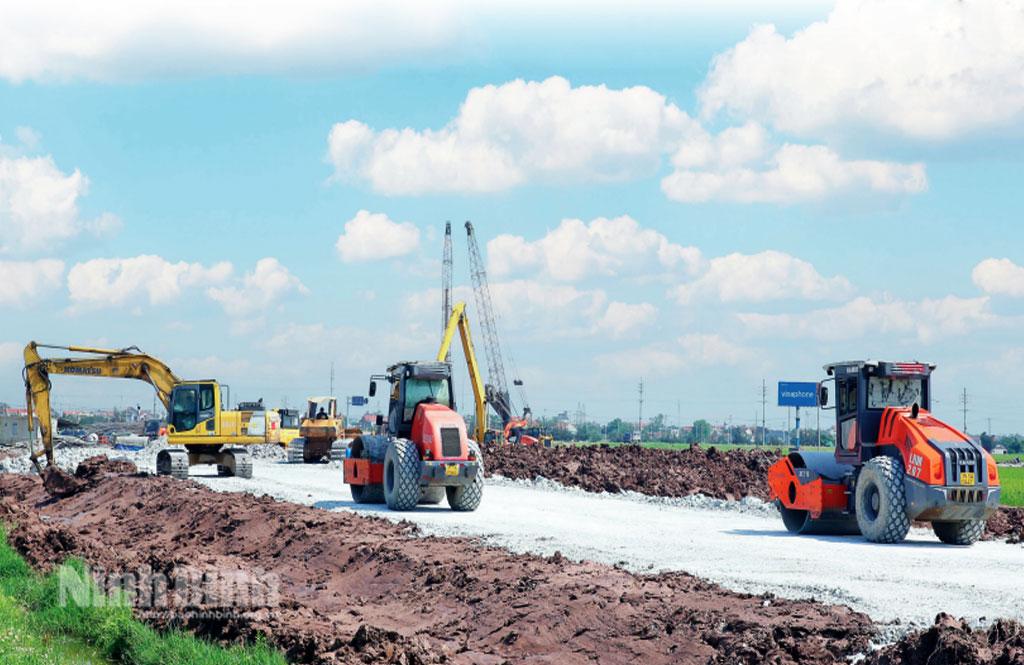
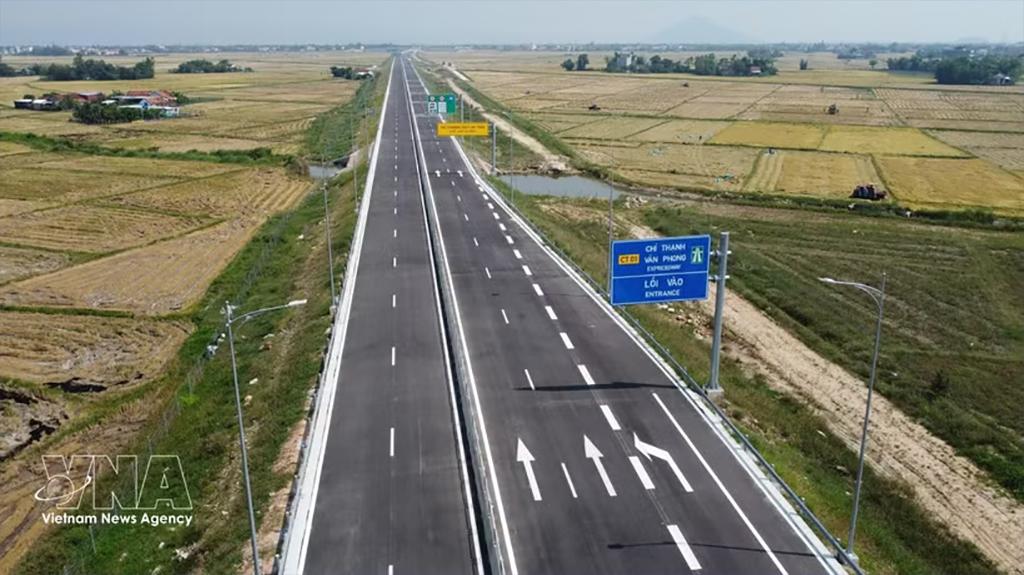
The province will continue to pay attention to and invest in a synchronous, multi-modal transport infrastructure system to shorten travel time between urban areas; deploying connection and sharing of key technical infrastructure works such as electricity and water supply networks, wastewater treatment systems and solid waste management among commune-level administrative units in an urban area, to optimise resources and protect the common environment./.
Tin liên quan



Viet Nam approves strategy to promote national image abroad
PM orders triple-acceleration strategy to drive economic growth above 8%


Tin cùng chuyên mục