
Ninh Binh should promote new momentum to achieve double-digit growth: Deputy PM
Strong growth but there remain persistent bottlenecks
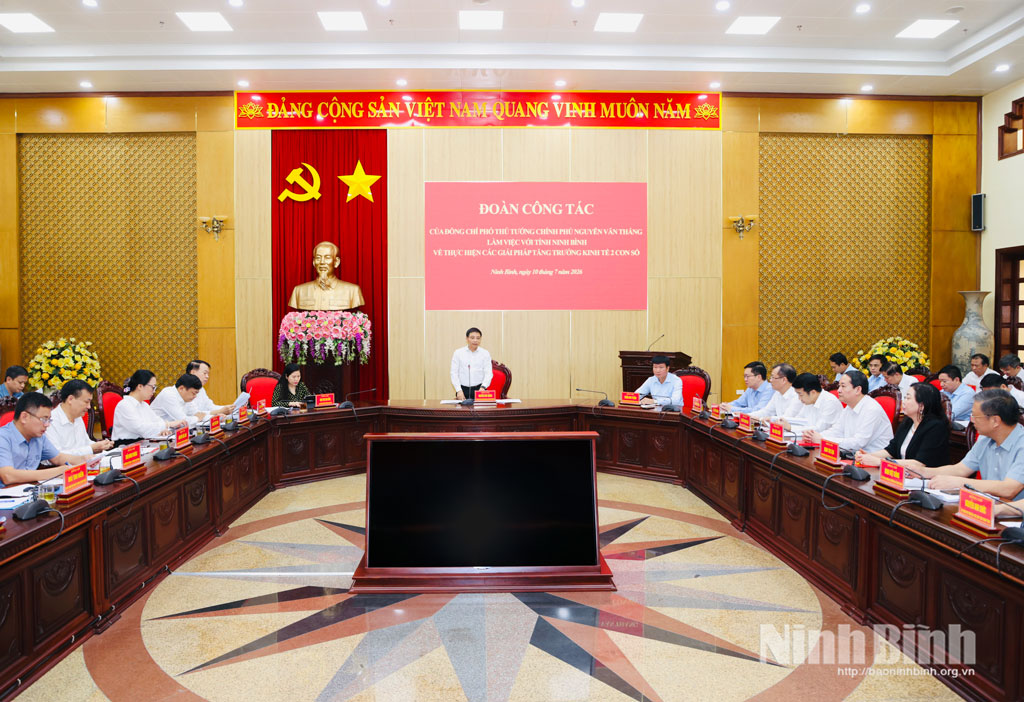
Concluding the meeting, Thang praised Ninh Binh's economic achievements during the first six months of 2026, noting that it was among the few localities nationwide to maintain double-digit growth.
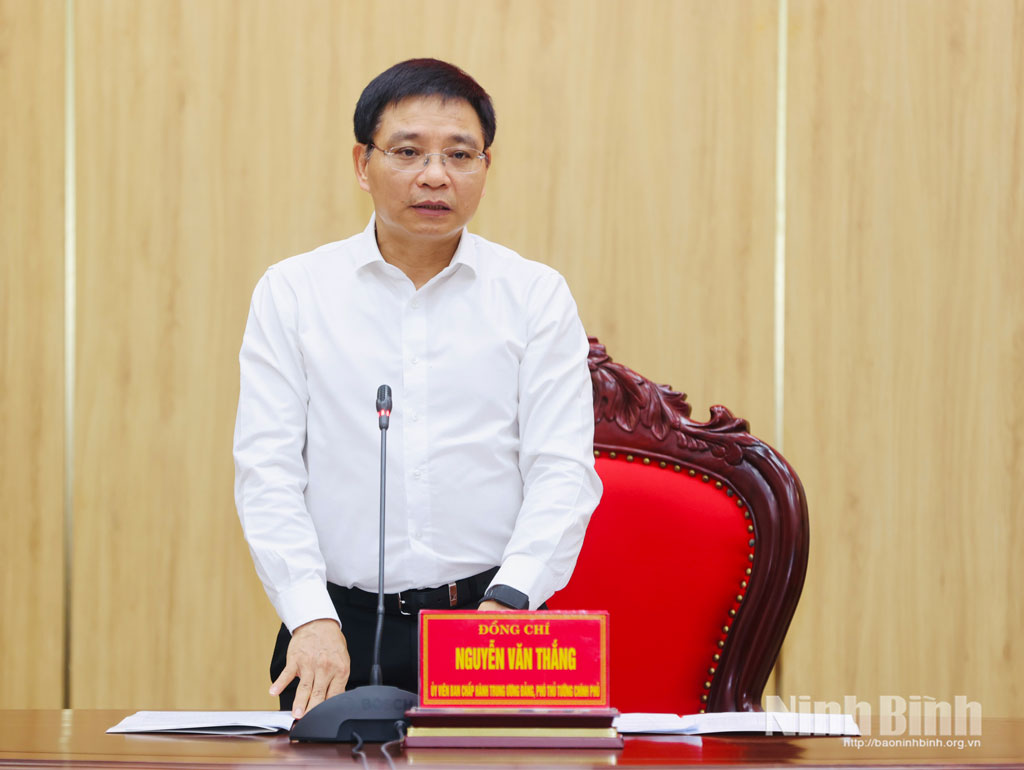
He highlighted the province's strong performance in the industrial, construction and service sectors, as well as its success in mobilising social resources, with the non-state sector contributing approximately 78-80% of total investment for economic growth.
Foreign direct investment (FDI) also remained a key strength. Ninh Binh ranked 5th nationwide in newly registered FDI projects and 9th in total registered FDI capital, which has reached nearly 17 billion USD. Meanwhile, the province continued to improve its rankings in administrative reform indicators, including the Provincial Competitiveness Index (PCI), Public Administration Reform Index (PAR Index), and the Satisfaction Index of Public Administrative Services (SIPAS).
Despite these positive results, the Deputy PM pointed to several challenges that require immediate attention. Public investment disbursement has fallen short of expectations, economic restructuring remains uneven, and the supply of highly skilled workers is still insufficient to meet development needs.
He also stressed the need to further improve intra-provincial and inter-regional transport infrastructure to reduce logistics costs and enhance the province's competitiveness.
To achieve a GRDP growth rate of at least 11% in 2026 and realise the goal of becoming a centrally governed city before 2030, Thang instructed the province to rigorously implement the "six clear principles" clear responsibilities, tasks, timelines, authority, accountability and expected outcomes while using implementation results as the primary criterion for evaluating officials and civil servants.
He also called on the province to fully disburse its public investment capital, remove obstacles facing businesses and investment projects, and resolve long-standing issues, particularly those related to land and planning, in order to bring idle resources into productive use.
Regarding investment attraction, the Deputy PM urged Ninh Binh to shift its focus from the quantity to the quality of FDI by prioritising high-tech industries such as artificial intelligence, cloud computing and innovation.
He also encouraged the province to capitalise on its advantages in marine economy, logistics, aquaculture and offshore wind power, while diversifying tourism products and promoting nighttime economy, healthcare services and entertainment industries.
In addition, Thang emphasised the importance of investing in strategic infrastructure, including major transport corridors, seaports, the North-South high-speed railway and airport planning.
The province was also urged to accelerate digital transformation, streamline administrative procedures with the aim of cutting processing time and compliance costs for citizens and businesses by 50%, and strengthen the capacity of commune-level officials to meet the requirements of decentralisation.
Ninh Binh seeks special mechanisms to unlock new growth
At the meeting, Secretary of the Provincial Party Committee Tran Huy Tuan said the province has comprehensively restructured its development space following its administrative merger, creating an integrated growth model that combines strengths in cultural heritage, urban development, industry, agriculture, marine economy, logistics, education, healthcare and culture.
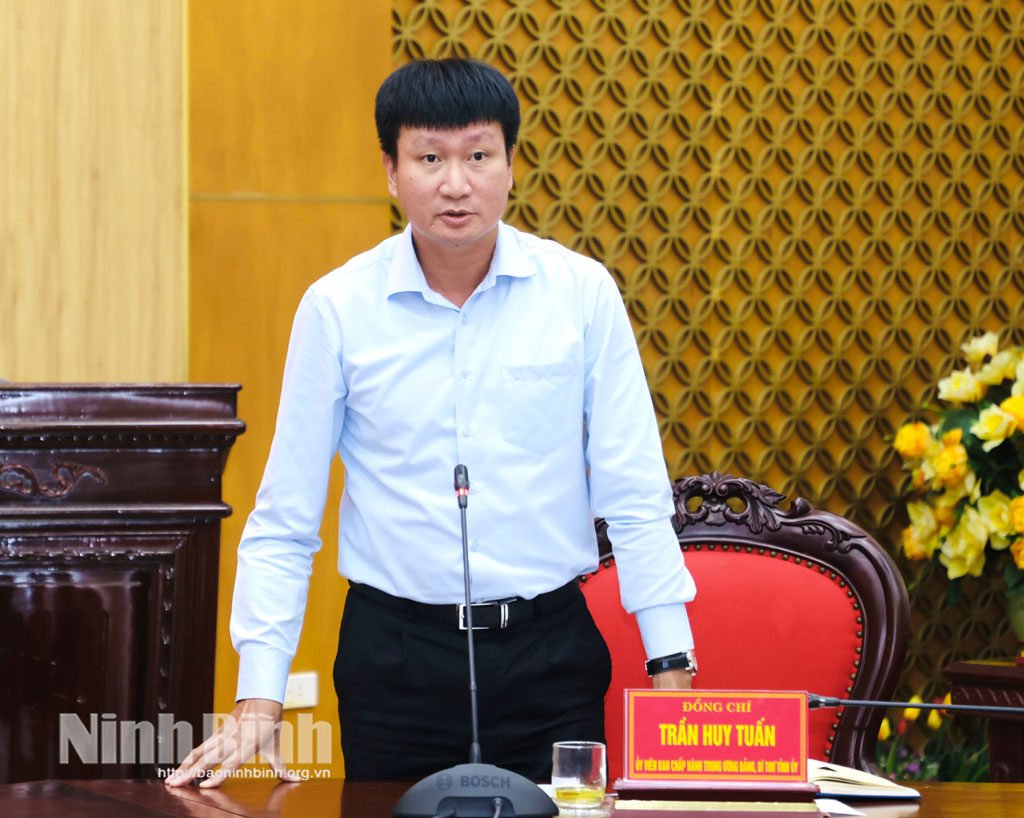
The province proposed the Government support the completion of a master plan to transform Ninh Binh into a centrally governed city before 2030, he said.
It also requested special policy mechanisms to accelerate the development of the Ninh Co Economic Zone, coastal reclamation areas, a deep-water port, a coastal free trade zone, logistics hubs, clean energy projects, high-tech industries and high-value services, while resolving planning, investment, power transmission and electricity supply issues affecting key projects.
Tuan further urged the Government to direct the Ministry of Construction, the Thang Long Project Management Board and relevant agencies to coordinate on the alignment, station locations and land clearance plans for the North-South high-speed railway to ensure consistency with the province's development strategy.
The province also sought the government’s support for strategic infrastructure, digital transformation, science and technology, education, healthcare, heritage conservation, climate change adaptation and environmental protection.
Chairman of the Provincial People's Committee Nguyen Thanh Binh reported that Ninh Binh's gross regional domestic product (GRDP) expanded by 11.44% in the first half of 2026, ranking second among 34 provinces and centrally governed cities.
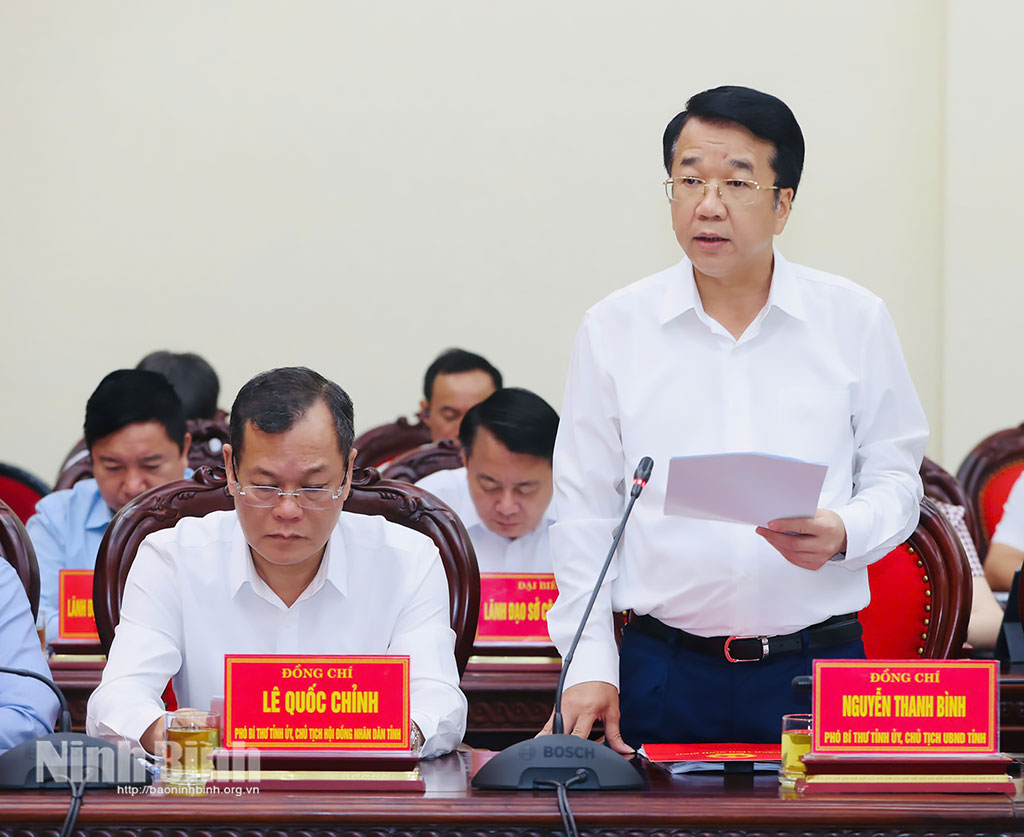
State budget revenue reached 34.63 trillion VND, while authorities approved investment certificates for 84 projects, including 25 FDI projects worth a combined 432.6 million USD. The province also recorded the establishment of 3,048 new enterprises, up 18.5% year on year.
Ninh Binh has identified several key growth poles, including the Ninh Co Economic Zone and marine economy; the Hoa Lu-Trang An area as a centre for heritage-based tourism and high-quality services; and industrial, urban, logistics and innovation hubs supported by industrial parks linked to strategic transport networks.
To maintain double-digit growth, the province plans to develop the Ninh Co Economic Zone into the main growth engine of the southern Red River Delta, invest in transport infrastructure connecting economic zones, industrial parks, seaports and future high-speed rail stations, and improve the quality of its workforce.
Participants at the meeting also discussed measures to sustain the province's long-term growth, focusing on strengthening energy infrastructure, expanding key manufacturing industries such as automobiles, electronics and construction materials, accelerating the development of industrial parks and clusters, diversifying export markets, optimizing land use, leveraging heritage-based economic development, addressing environmental challenges and cultivating a highly skilled workforce./.
Tin cùng chuyên mục
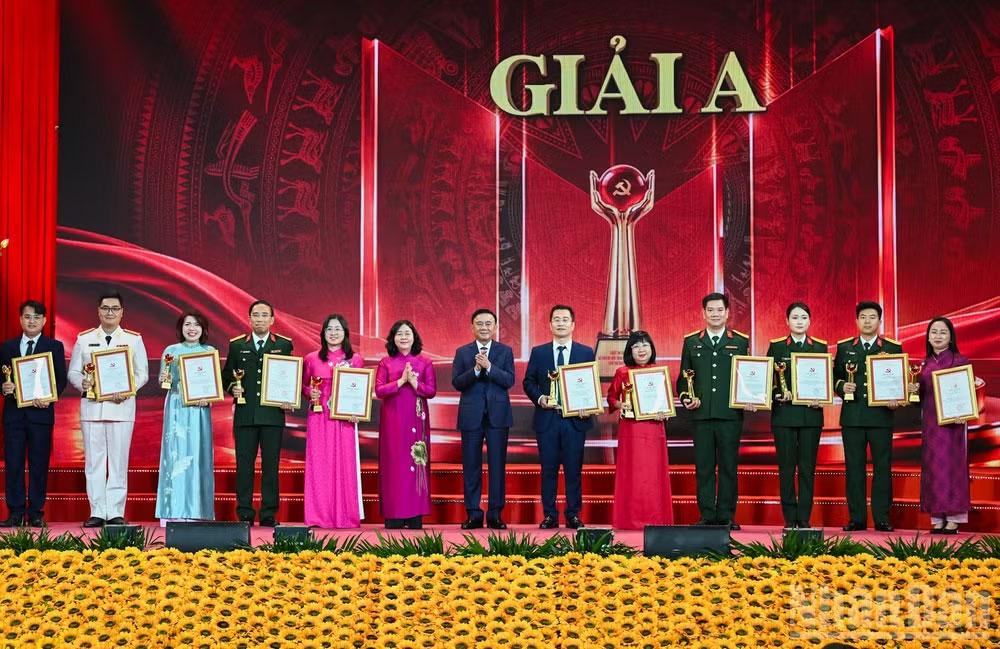
Awards ceremony convened for sixth Party ideology writing contest
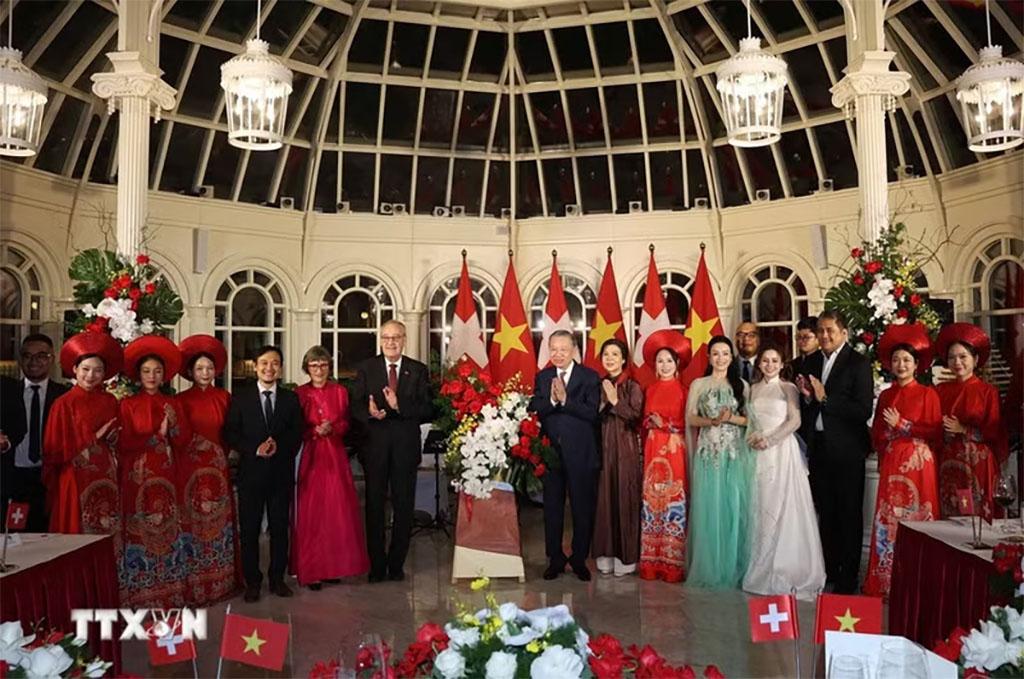
Top Vietnamese leader hosts banquet in honour of Swiss President

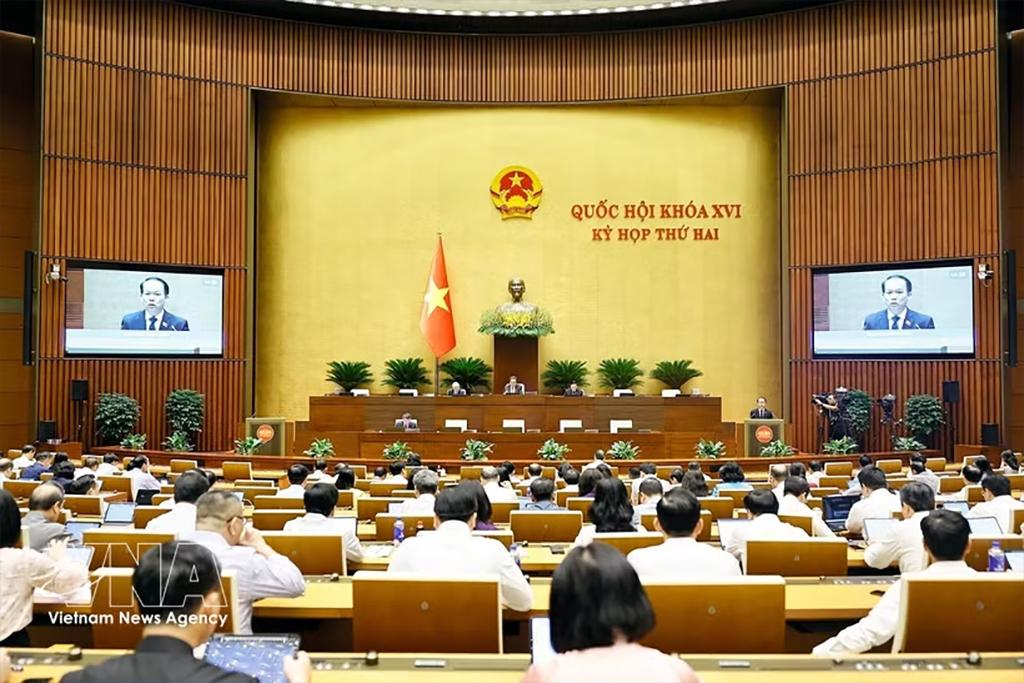
16th National Assembly commences second session
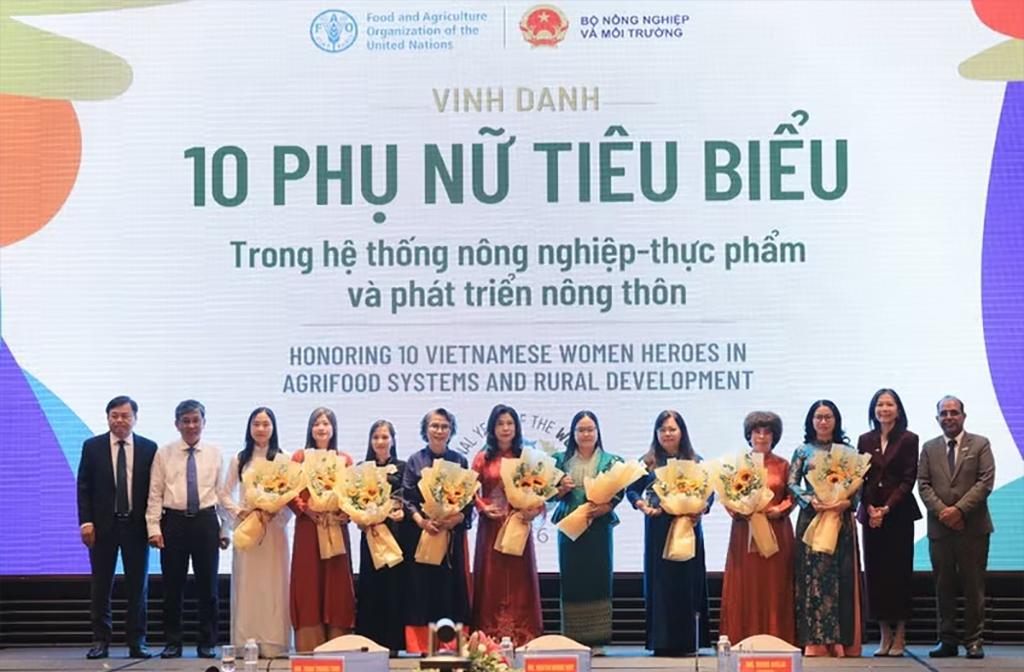
FAO honours 10 prominent Vietnamese women in agriculture, rural development
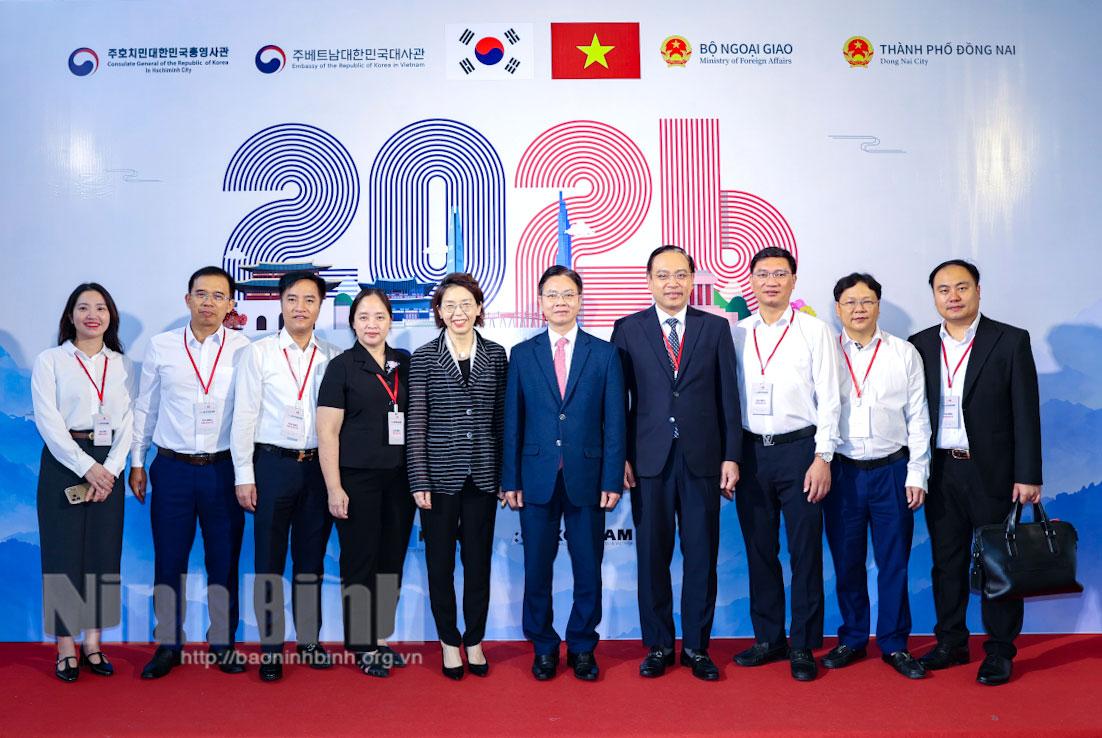
Ninh Binh’s delegation attends “Meet Korea 2026” plenary conference