
Ninh Binh plans spatial development of heritage areas
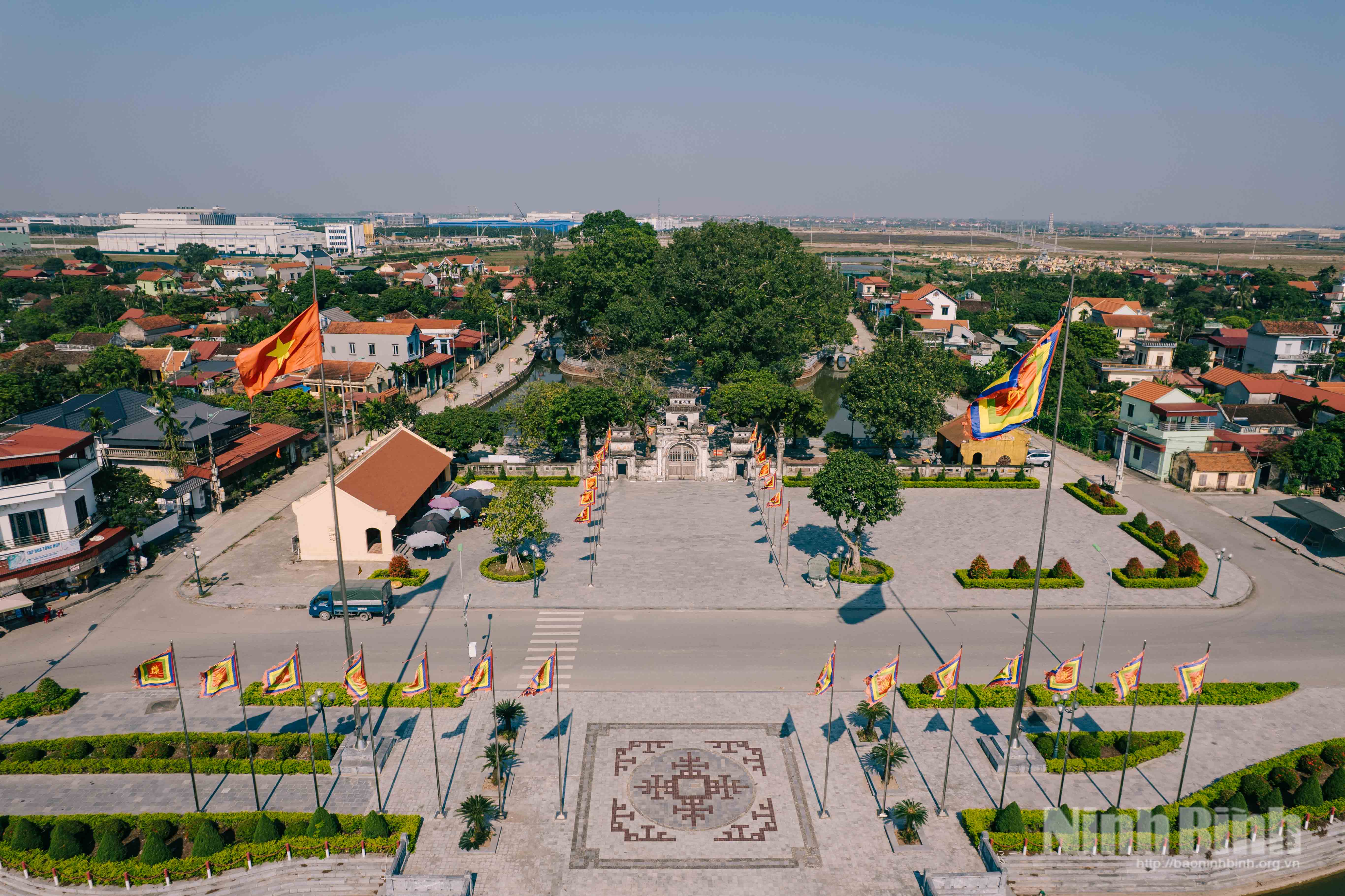
Managing heritage and historical sites
The identified areas include heritage and historical sites; transit-oriented development (TOD) areas linked to the high-speed railway and Ninh Binh Airport; urban development hubs; coastal urban areas; and key infrastructure areas and facilities that play an important role in the province’s socio-economic development.
Under the decision, the first group comprises functional areas surrounding sites of heritage and historical value. These areas will be subject to zoning plans and detailed plans, excluding overall site planning.
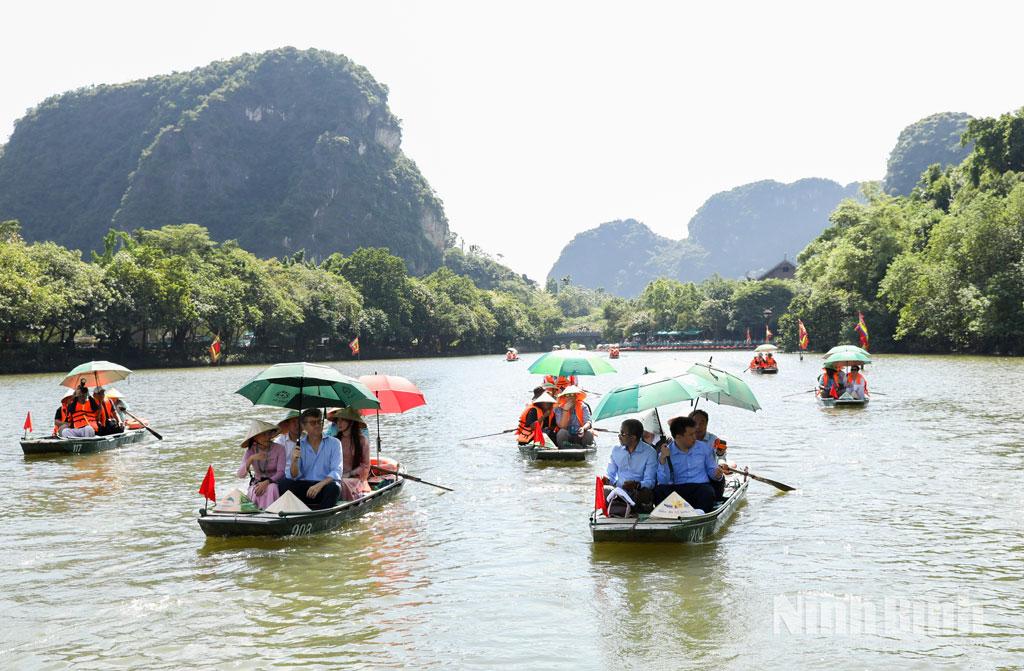
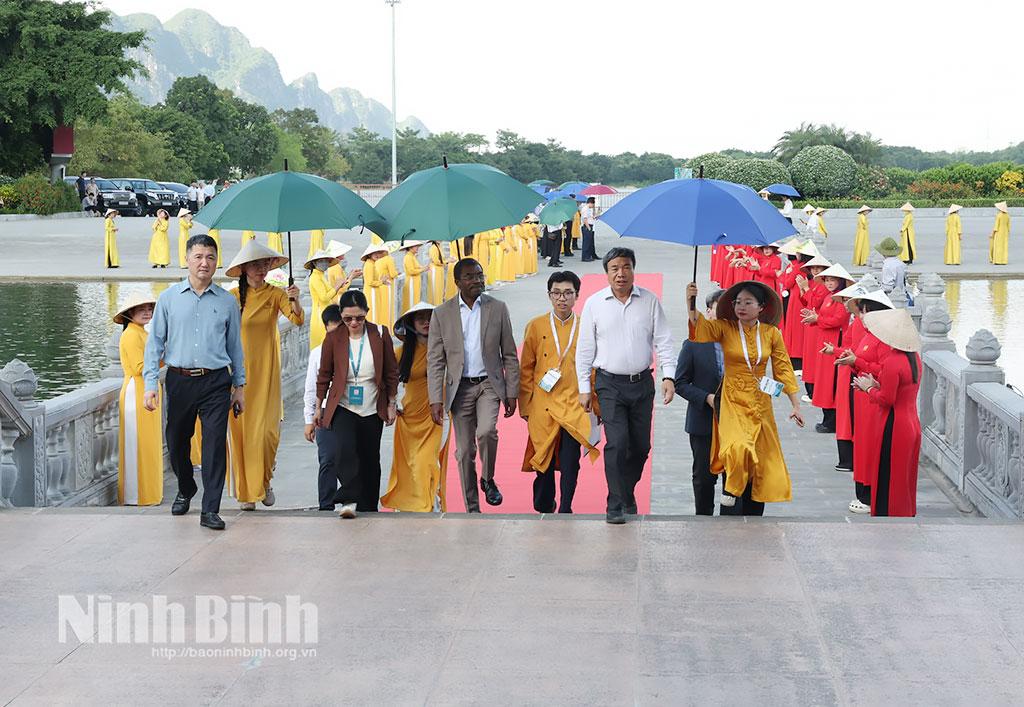
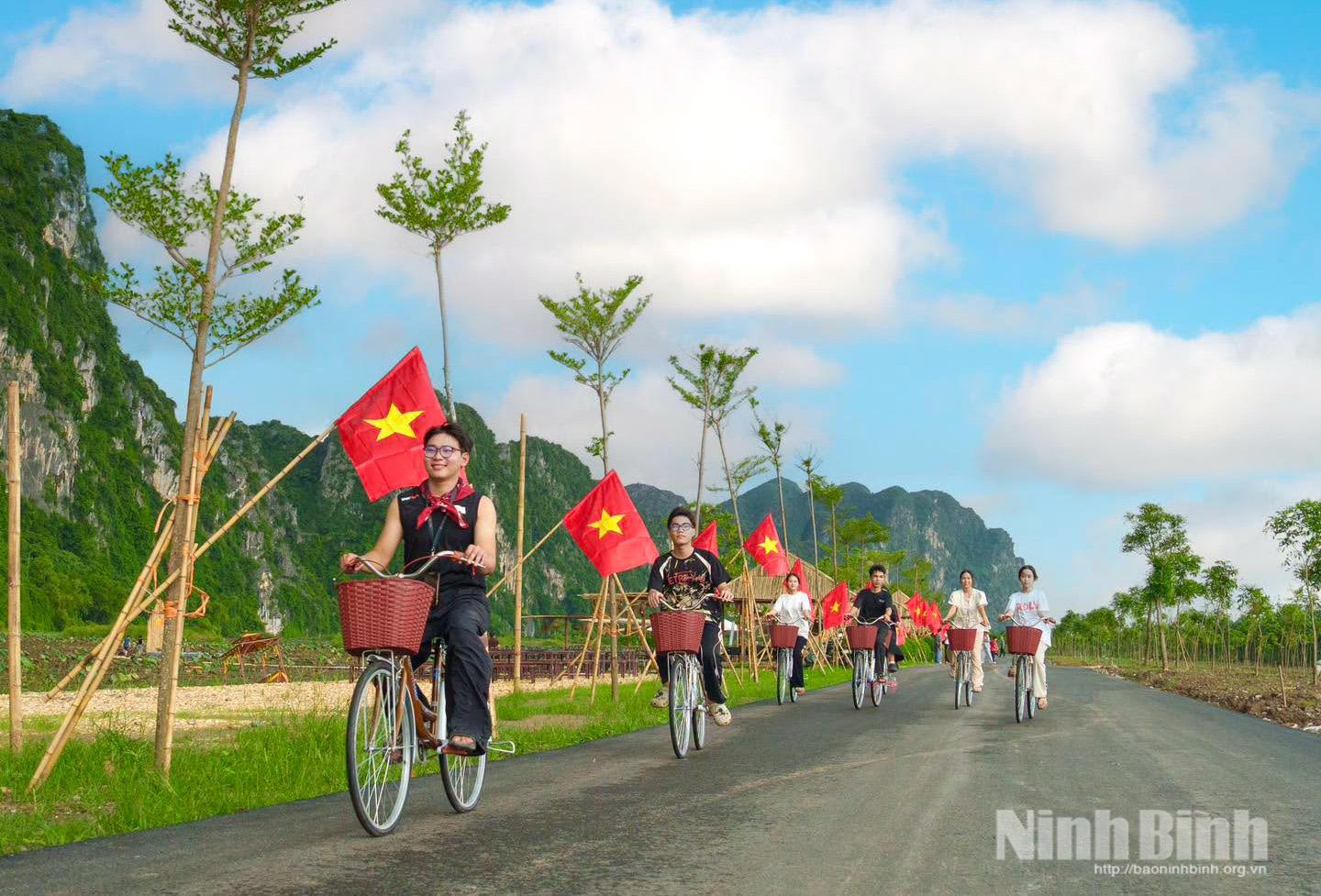
Notably, the Trang An Landscape Complex, a UNESCO World Cultural and Natural Heritage Site, including its core and buffer zones, is recognised as an area of outstanding cultural, historical, geological, landscape and biodiversity value, as well as one of Ninh Binh’s key tourism destinations.
The decision also identifies the area covered by the dossier for nomination of the Van Long - Kim Bang - Tam Chuc Delacour’s langur Cultural-Ecological Landscape as a World Heritage Site.
It also covers areas aimed at promoting the values of special national relic sites, including the Tran Temple - Pho Minh Pagoda complex, Tran Thuong Temple, the Tam Chuc landscape and archaeological complex, Non Nuoc Mountain, Long Doi Son Pagoda, Xam Temple and Co Le Pagoda.
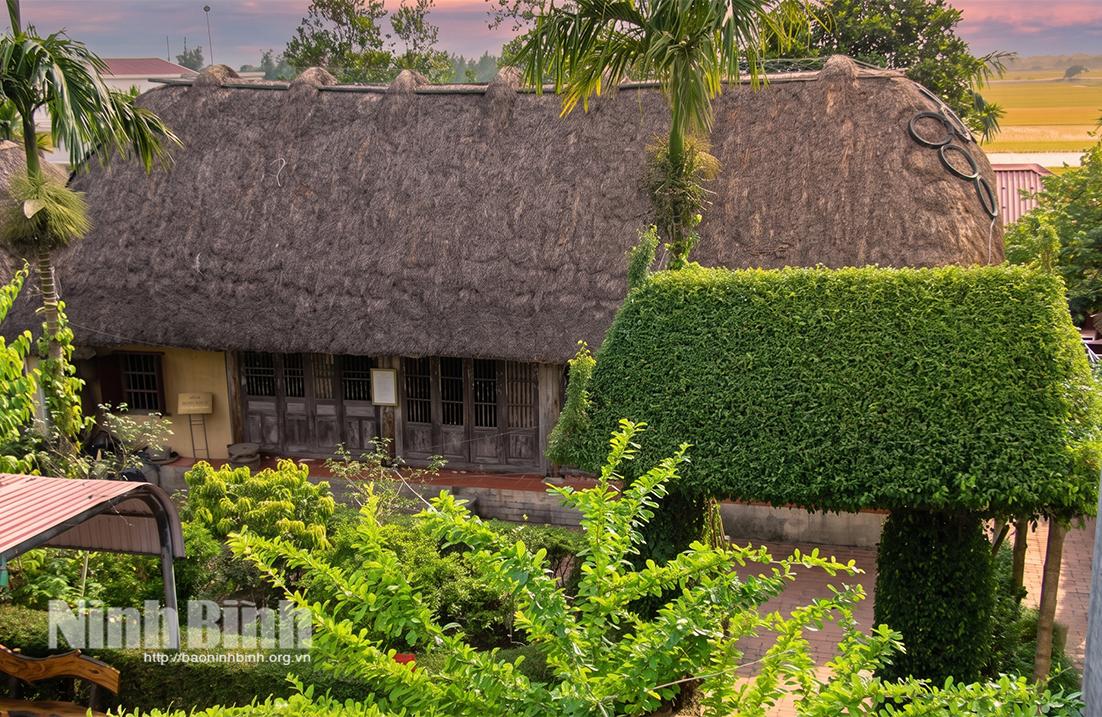
Other areas containing valuable historical sites that require management and development, such as Phu Day and Phat Diem Stone Cathedral, are also included.
The identification of heritage and historical areas for planning is intended to strengthen the management of spatial development, architecture and landscapes, thereby conserving, utilising and promoting heritage values in association with socio-economic development.
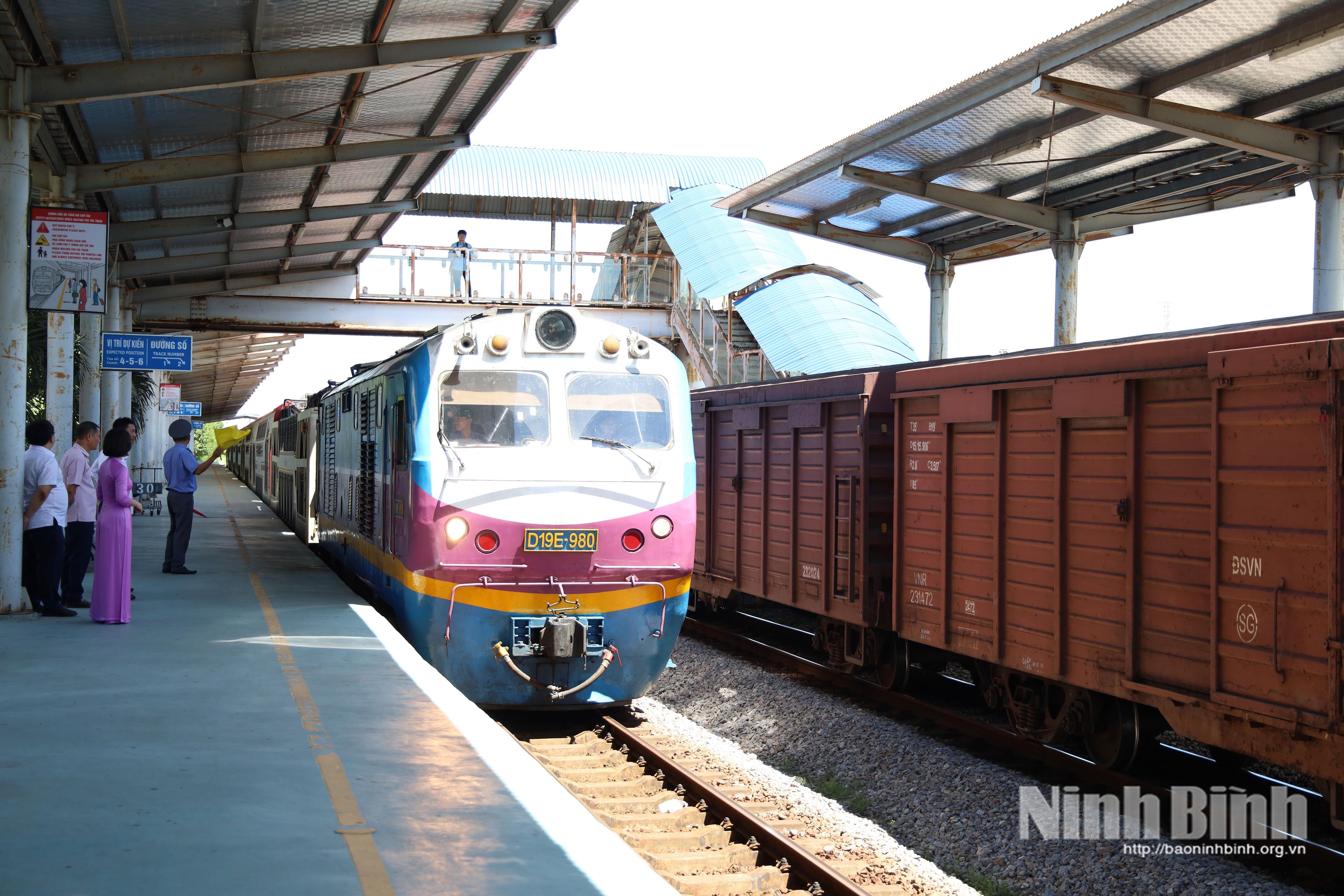
Another important group comprises TOD areas linked to high-speed railway stations and Ninh Binh Airport.
This is regarded as a notable direction in urban spatial development, with urban areas being developed around major transport hubs to facilitate connectivity in infrastructure and services and promote economic activities.
The decision also identifies areas within three urban development hubs and coastal urban areas in accordance with the adjusted Ninh Binh provincial planning and approved general urban plans.
The areas include Hoa Lu, Nam Hoa Lu, Tay Hoa Lu and Dong Hoa Lu; Nam Dinh, Dong A, Thanh Nam, Thien Truong and Truong Thi; Ha Nam, Phu Ly and Liem Tuyen; Y Yen, Phong Doanh, Yen Dong and Gia Tran; and communes covered by the general planning for the southeastern coastal urban area of Ninh Binh province.
The boundaries of these areas will continue to be reviewed, supplemented and adjusted in line with general urban planning schemes approved by competent authorities.
Focusing planning on key areas and infrastructure
In addition to urban and heritage areas, the Ninh Binh Provincial People’s Committee has identified a number of spaces of major economic significance for zoning and detailed planning.
These include the sea reclamation urban area, Cuc Phuong National Park, Xuan Thuy National Park, the functional area from Binh Minh II Dyke to Con Noi, and other functional areas.
For projects to build provincial-level administrative and political centres, provincial-level cultural facilities, and facilities or areas requiring special attention to architectural and landscape design, detailed plans will be prepared in line with approved general urban plans.
The decision also places emphasis on key provincial- and regional-level technical infrastructure facilities. Detailed planning will be carried out for projects such as airports, high-speed railway stations, logistics centres and other major technical infrastructure facilities identified in regional, provincial and general urban plans.
Cases falling under the approval authority of the Prime Minister or the Ministry of Construction are not covered by the decision.
The Provincial People’s Committee has assigned the Department of Construction to provide guidance, monitor and inspect implementation, consolidate difficulties and obstacles arising during the process, and propose solutions in accordance with regulations.
Provincial departments and agencies, commune-level People’s Committees and relevant organisations are responsible for coordinating with the Department of Construction in implementing the decision.
The decision takes effect from the date of signing, providing a basis for the Ninh Binh provincial People’s Committee to proactively approve zoning and detailed plans for areas of strategic importance, while strengthening control over spatial development, protecting heritage values and guiding the development of urban areas and key infrastructure serving as growth drivers for the province./.