
First Vietnam Culture Festival 2026 to take place from November 23-27
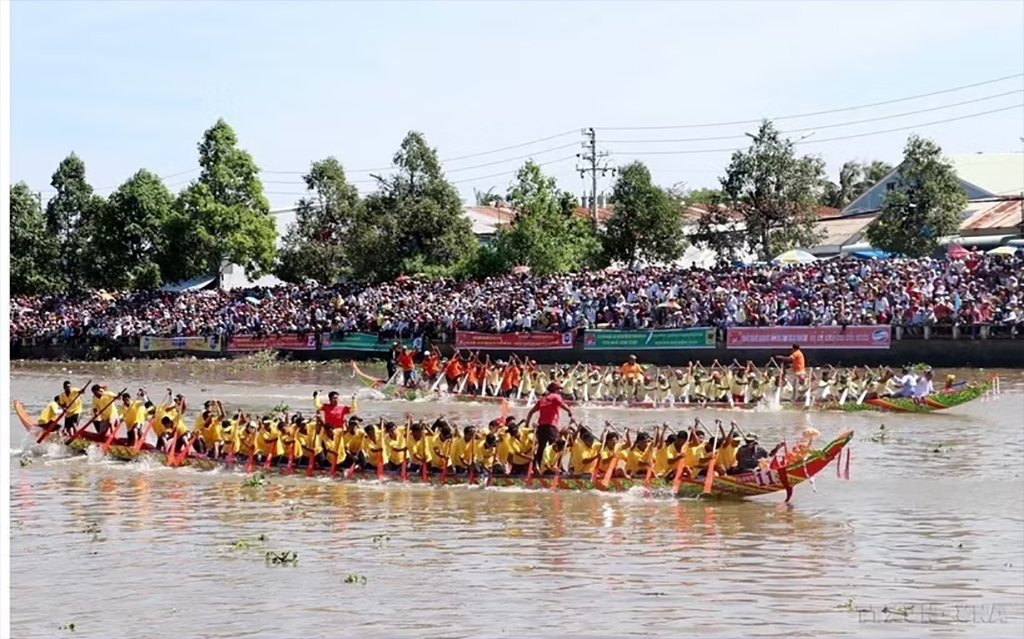
The first Vietnam Culture Festival 2026 will take place in the southern province of An Giang from November 23-27, the Vietnam Exhibition Centre for Culture and Arts under the Ministry of Culture, Sports and Tourism announced on November 16.
The event is being held in response to Vietnam Culture Day on November 24, aiming to honour national cultural values, foster pride in and love for Vietnamese culture, and inspire aspirations for national development in the new era.
Featuring the flow of Vietnamese culture from its origins to the future, the festival will create a vibrant cultural space where the past, present and future converge. It will highlight values shaped over thousands of years of history and demonstrate how these are preserved, passed down and creatively developed in contemporary life.
Through exhibitions, heritage displays, artistic exchanges and interactive activities, the event will showcase the enduring vitality of Vietnamese cultural identity and celebrate the unity in diversity of the country's ethnic communities and regions.
The central exhibition space will trace the formation, preservation and development of Vietnamese culture throughout different historical periods, from its earliest foundations and the traditions of nation-building and defence to achievements in cultural life, literature and the arts, and cultural industries.
Particular emphasis will be placed on late President Ho Chi Minh's ideology and the Party's perspectives on culture, featuring major milestones such as the 1943 Outline on Vietnamese Culture and the National Culture Conference in 1946, as well as the contributions of President Ho Chi Minh and generations of Party and State leaders to the development of Vietnamese culture.
Looking towards the future, the exhibition will also address heritage preservation and promotion, the building of a healthy cultural environment, digital culture and innovation, and ways to bring cultural values closer to the public, particularly younger generations.
A major highlight will be the “Cultural Colours of Localities” exhibition, bringing together 34 provinces and cities. Each locality will present its own theme, offering a diverse picture of its history, people, landscapes and distinctive cultural identity.
Visitors will also have opportunities to engage directly in cultural activities. The traditional crafts and heritage experience area will feature folk painting, lacquerware, silk and brocade weaving, bamboo and rattan products, silver filigree and pottery, among other crafts. Visitors can learn about production processes, try their hand at selected stages of craft-making and interact with artisans.
Meanwhile, cultural education, heritage and reading promotion spaces will display books, documents and publications on Vietnam's history, culture and people, alongside extracurricular activities, guided tours and exchanges with authors, artisans and artists.
The digital culture and innovation area will employ modern technologies, including 3D images, QR codes, short films and multimedia content, to offer new ways of exploring and accessing cultural heritage. An area dedicated to OCOP (One Commune, One Product) goods, creative products and cultural-tourism connectivity will showcase local handicrafts, agricultural products and specialties, highlighting links between cultural values, tourism, the creative economy and community livelihoods.
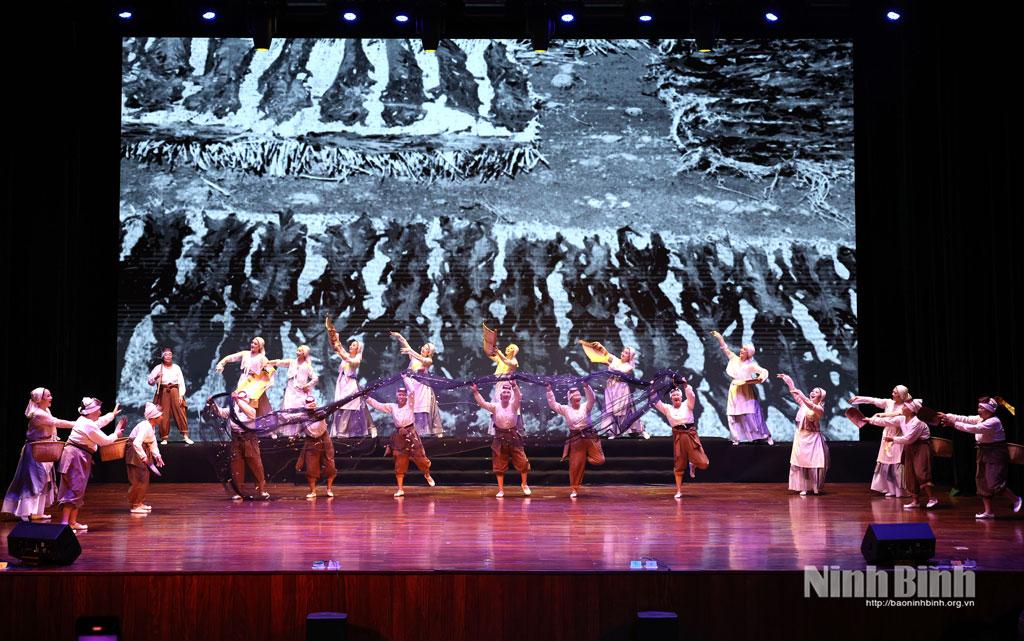
The festival will also feature cultural and artistic exchange programmes, presenting selected performances that reflect regional identities and the continuity between tradition and modernity.
The event concretises the Party's guidelines and the State's policies and laws on cultural development, particularly the Politburo's Resolution No. 80-NQ/TW and the National Assembly's Resolution No. 28/2026/QH16 on Vietnamese cultural development.
It also reaffirms culture's role as the spiritual foundation of society, an endogenous resource, a driving force and a regulatory factor for the country's rapid and sustainable development. The festival is expected to strengthen regional connectivity, promote exchanges and experience-sharing in heritage preservation, and foster closer links between culture, tourism, traditional crafts, creative products and cultural industries./.
Tin liên quan
Tran Thuong Temple Festival 2026 to take place on September 30

2026 Asia Triathlon Cup Tam Chuc to take place in Ninh Binh
Tran Temple Seal Opening Festival takes place in Ninh Binh
The 8th Organic Asia Congress 2025 to take place in Ninh Binh
First joint rehearsal for National Day parade takes place in Hanoi


Cuc Phuong Jungle Paths 2025 to take place in Apil
Tin cùng chuyên mục

Over 11,000 runners take part in Trang An Marathon 2026