Ninh Binh province expands development space
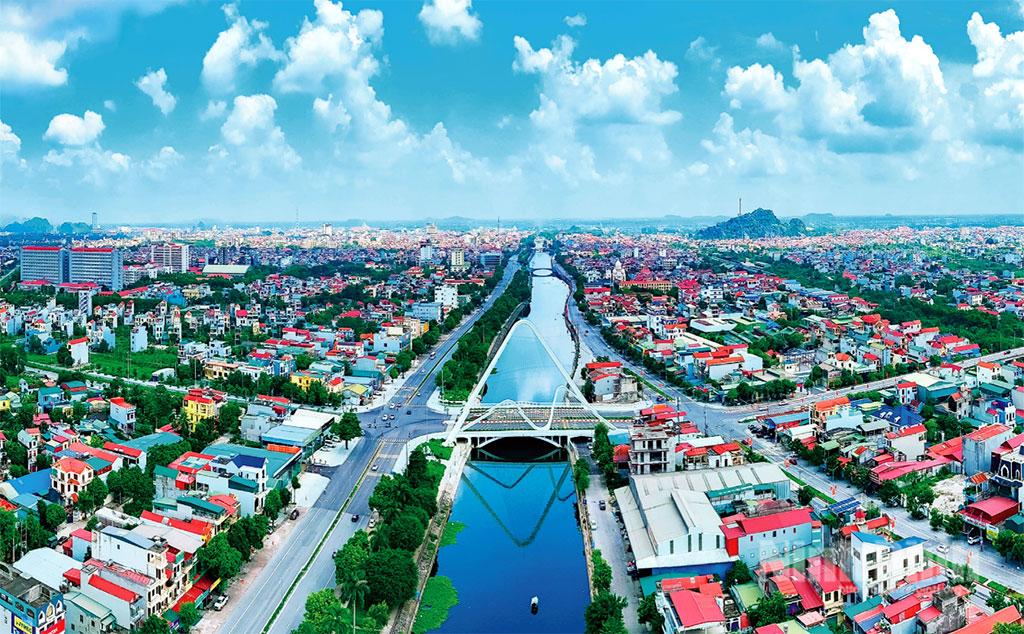
With expanded administrative boundaries and growth potential following the mergence, Ninh Binh province is accelerating its efforts to attract large-scale industrial park infrastructure investors.
Có 67 kết quả được tìm thấy
With expanded administrative boundaries and growth potential following the mergence, Ninh Binh province is accelerating its efforts to attract large-scale industrial park infrastructure investors.
In the 2021-2025 period, the northern province of Ninh Binh has enjoyed positive outcomes in socio-economic development. The province’s GRDP expanded at annual average growth rate of 9.26%, while its economic structure shifted towards industry - services, thus laying an important foundation for the next period of development.
Next year, Vietnam is expected not only to maintain a high growth rate relative to the region but also to further reinforce its status as one of Asia’s economic bright spots thanks to macroeconomic stability, a dynamic domestic market, and a clear orientation towards attracting strategic investments.
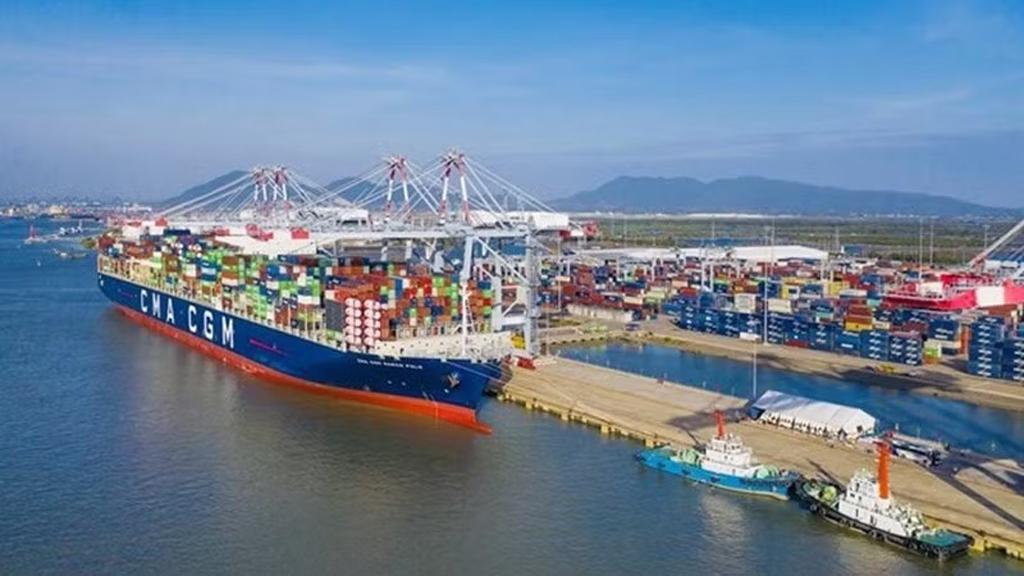
The Ninh Binh provincial People’s Committee has issued a plan on expanding exports in the 2026-2030 period, setting an export growth target of 12% per year to reach 40 billion USD by 2030.
Vietnam-EU trade in the first nine months of 2025 reached 54.6 billion USD, marking an 8.4% increase year-on-year.
At the G20 Summit, Vietnam will present key policy messages that contribute to global efforts to boost economic growth, reduce risks and strengthen cooperation in strategic sectors such as minerals, energy, trade system reform, finance, and global investment in the context of reshaping and building current global rules and regulations.
The 15th National Assembly (NA) on November 13 approved a Resolution on Viet Nam’s socio-economic development plan for 2026, setting 15 major targets, including the gross domestic product (GDP) growth rate of 10% or higher.
In recent years, Ninh Binh’s agriculture sector has seen positive growth. Numerous effective production models have been duplicated and created safe products that have met standards of VietGAP, HACCP, ISO or eco-agriculture.
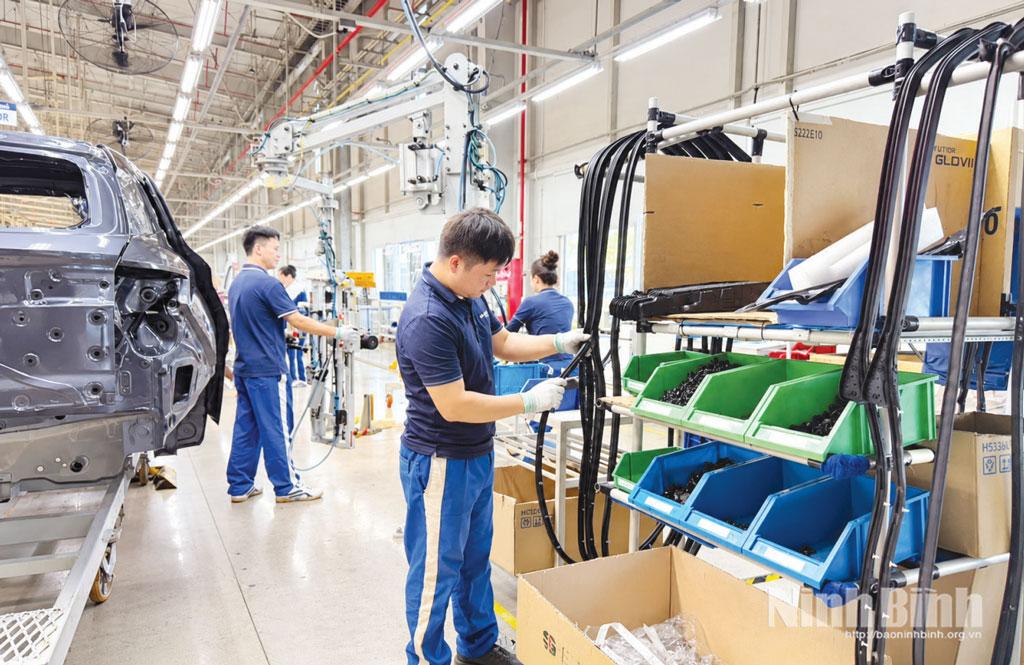
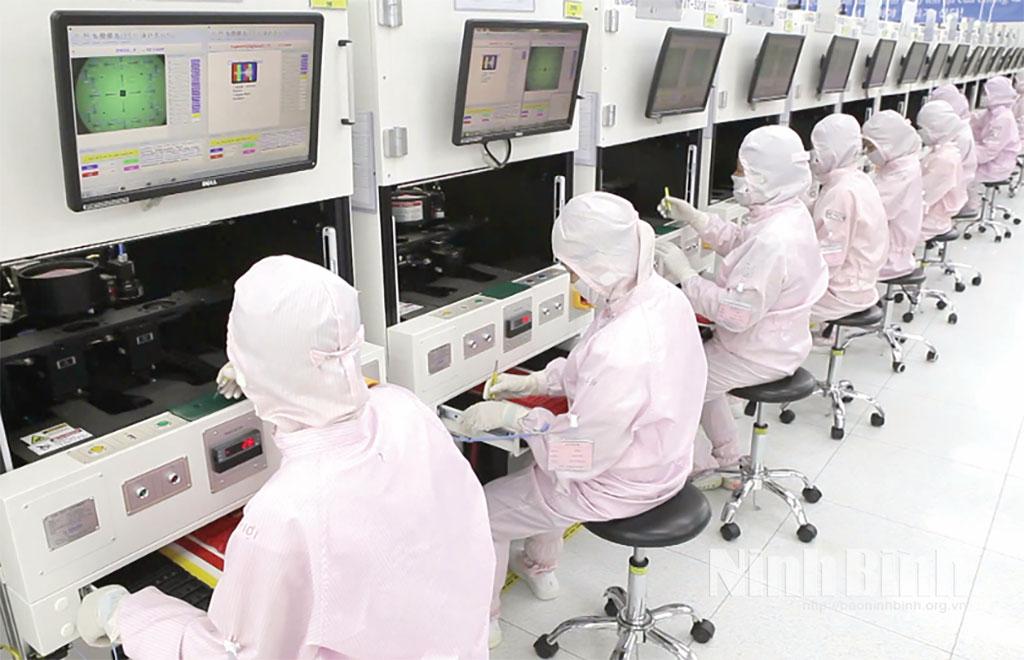
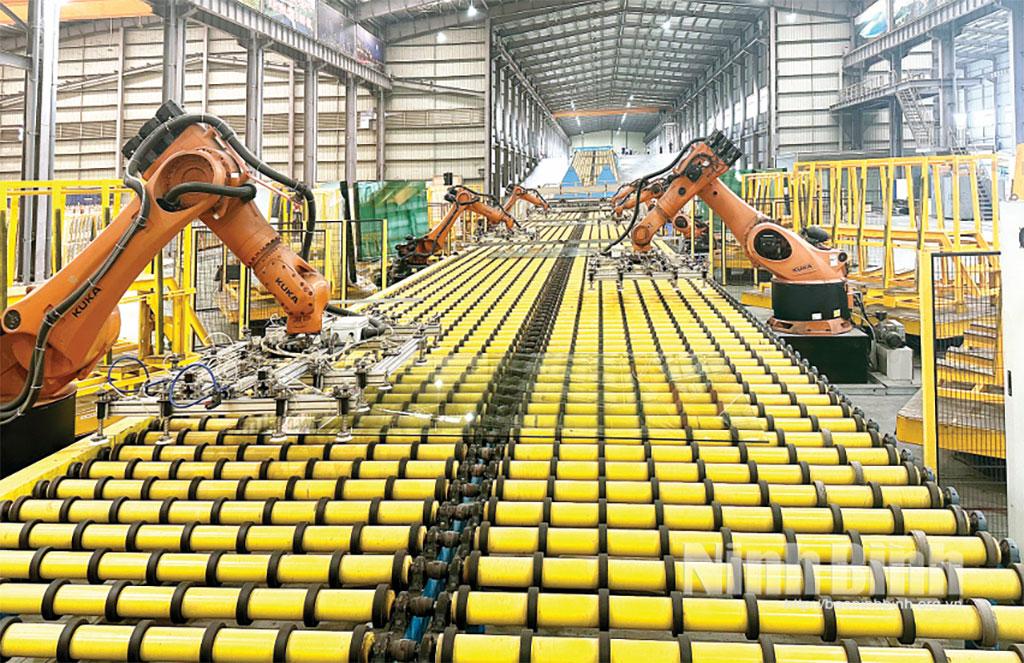
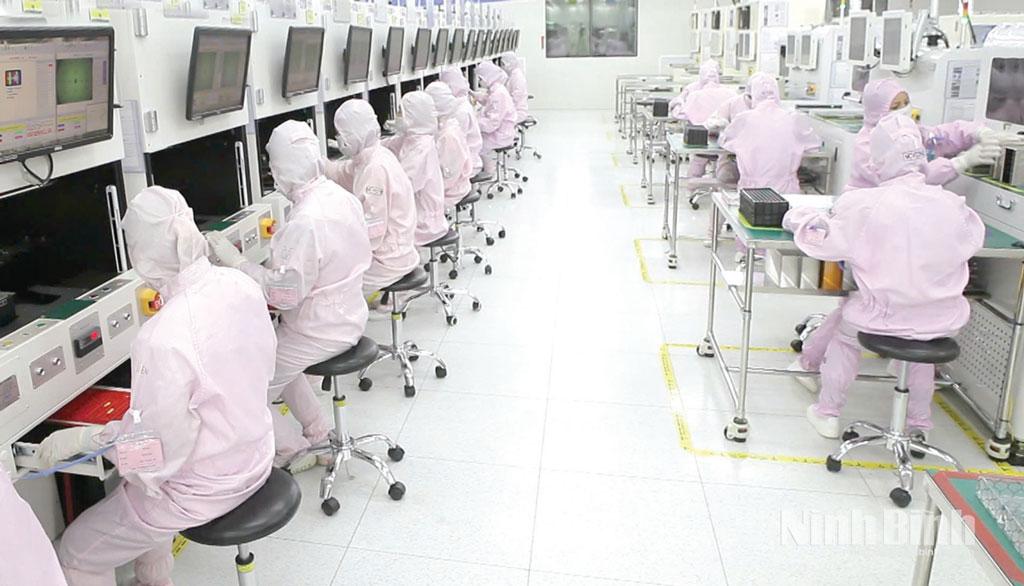
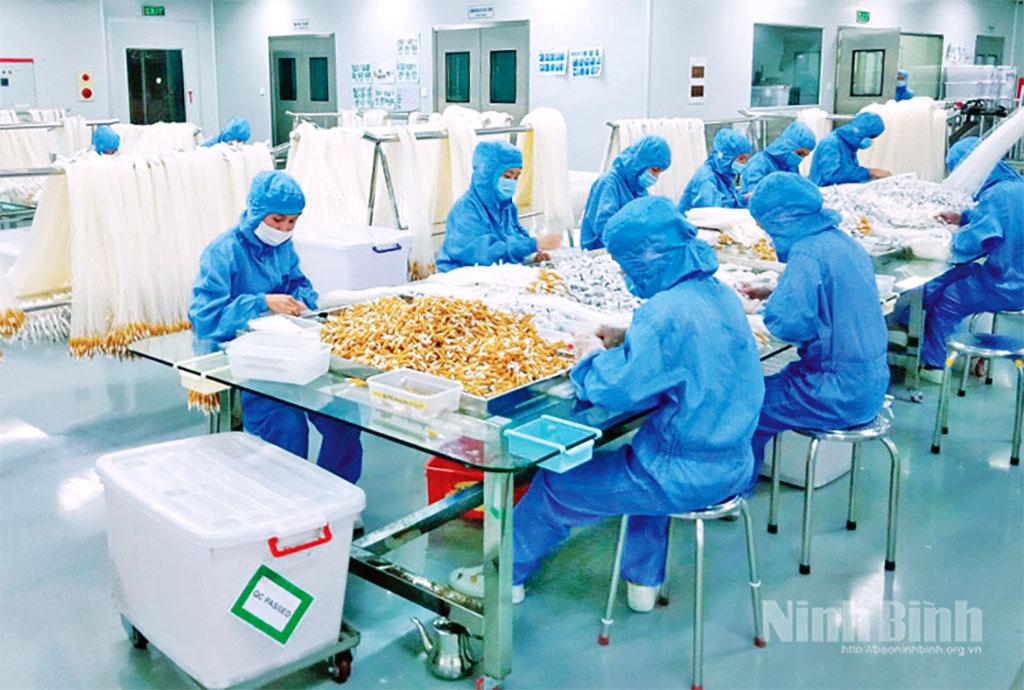
Identifying industry as the driving force for economic growth, Ninh Binh province has promptly developed a master plan for industrial parks, ensuring reasonable land allocation and creating conditions for synchronous industrial development.
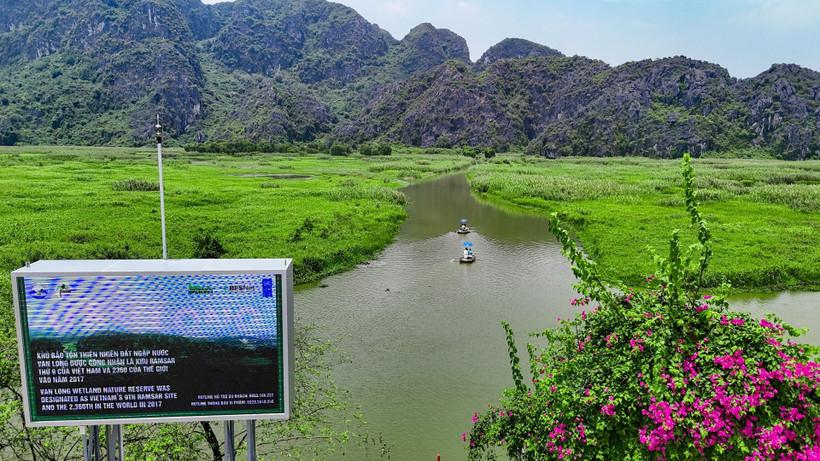
After the mergers of provinces and cities, the tourism industry is facing the need to “redraw the map” restructuring the development space, products and brands, and creating new growth drivers.
Deputies will look into the implementation results of the NA resolutions for 2021 2025, including those on socio-economic development, economic restructuring, medium-term public investment, national finance, and public debts.
Ninh Binh has just recorded an impressive GRDP growth rate in the first nine months of 2025, reaching 10.45%, rising to third place among the country’s 34 provinces and cities in terms of growth.
Viet Nam’s GDP growth is leading the ASEAN-6, driven by domestic strength, foreign direct investment (FDI), and public investment. While some international organisations have urged caution, these factors continue to underpin the economy’s sustainable growth momentum.
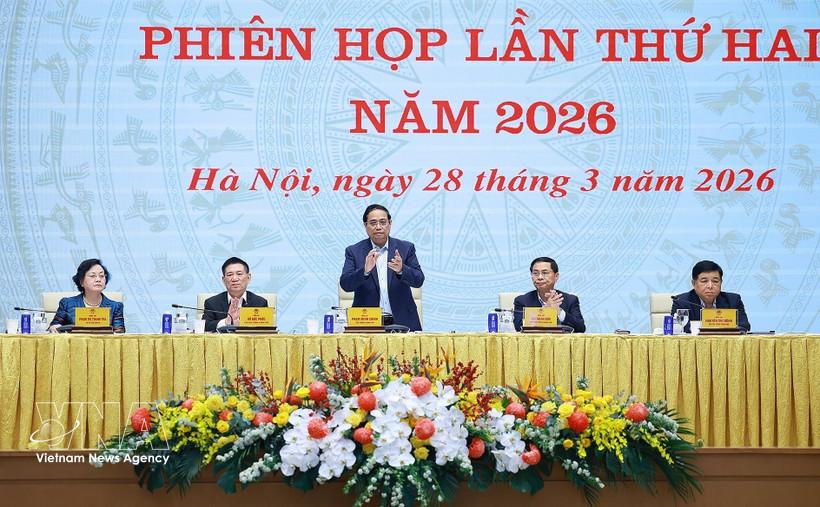
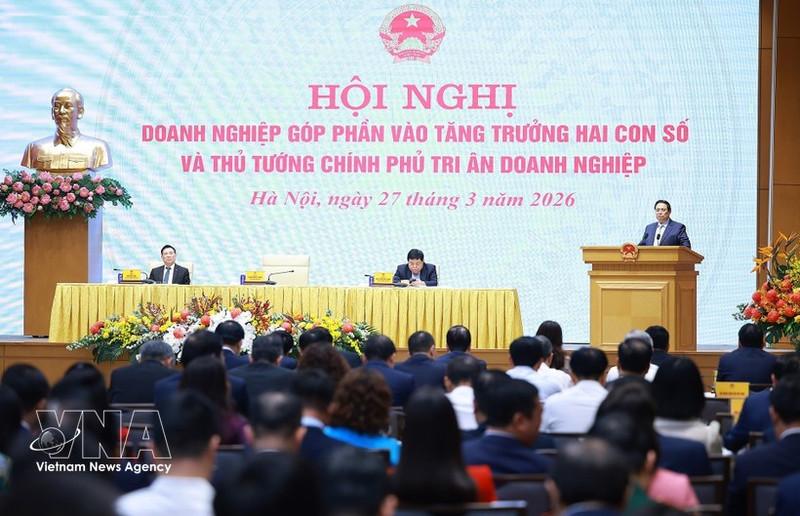
Public investment should serve as a key driver of growth, acting as seed capital to catalyse and mobilise all social resources, thereby fostering economic expansion, creating jobs and livelihoods, and improving the material and spiritual well-being of the people, PM Pham Minh Chinh stated.
Ninh Binh’s export activities recorded positive outcomes in the first eight months of 2025 with turnover of 16.33 billion USD, accounting for 72.6% of this year’s plan. This important result is expected to help Ninh Binh achieve the target of two-digit economic growth.
PM Pham Minh Chinh demanded a more effective fiscal policy to complement monetary efforts, directing the central bank to focus on exchange rates, interest rates and risk management.
PM Chinh said the Government must tackle regulatory “bottlenecks” in 2025, as required under the Politburo’s Resolution 66/NQ-TW, which sets an economic growth target of 8.3% 8.5% next year and double-digit expansion in subsequent years.
Ninh Binh’s state budget revenue exceeded 47.66 trillion VND (approximately 14.2 billion USD) in the eight months of 2025, meeting 62.4% of the full-year target and soaring 76% compared to the same period in 2024.
From independence in 1945, national reunification in 1975, to Doi Moi 1986, Vietnam’s journey has been extraordinary. Today, it stands as a regional leader with a long-term vision: to become a high-income, developed nation by 2045.
The visa exemption policy continues to expand, bringing a fresh wave of international visitors to Viet Nam. Not only does this create new opportunities for growth, but it also fuels the aspiration to upgrade infrastructure, services, and experiences so that every journey to Viet Nam becomes an unforgettable experience.
PM Pham Minh Chinh asked for flexible and effective response to US reciprocal tariffs, along with solutions to renew traditional growth drivers while promoting new ones to achieve the 8.3 8.5% growth target for the whole year.
With the goal of developing tourism ecosystem in a smart manner, Ninh Binh province’s tourism sector has stepped up the application of digital technology and artificial intelligence to improve visitors’ experiences and connect tourism value chain.
Authorities are focusing on boosting traditional growth drivers such as investment, consumption, and exports while implementing a broad array of policy measures to maintain economic momentum.
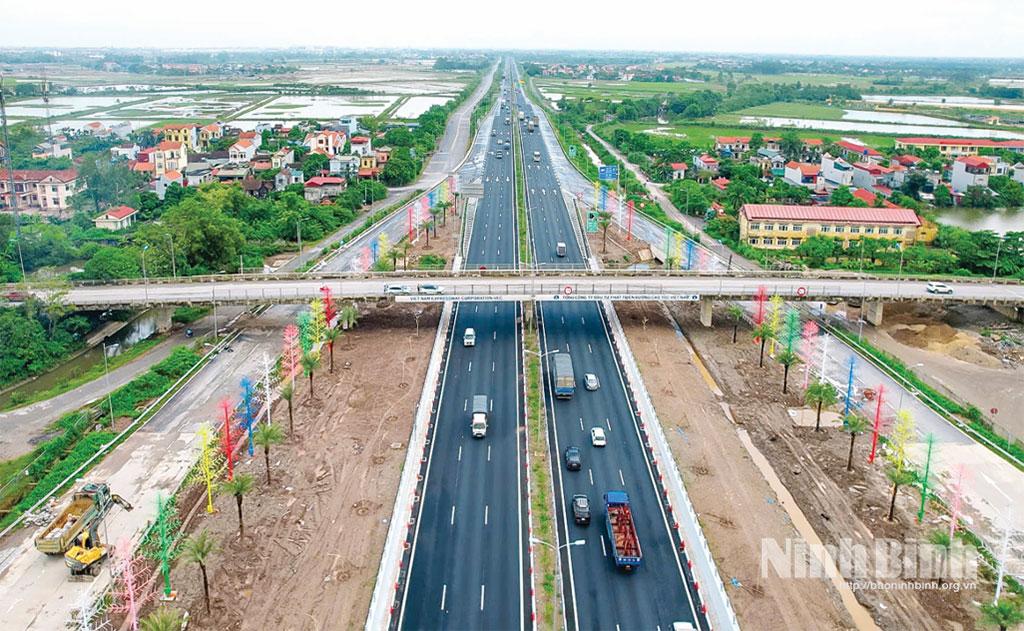
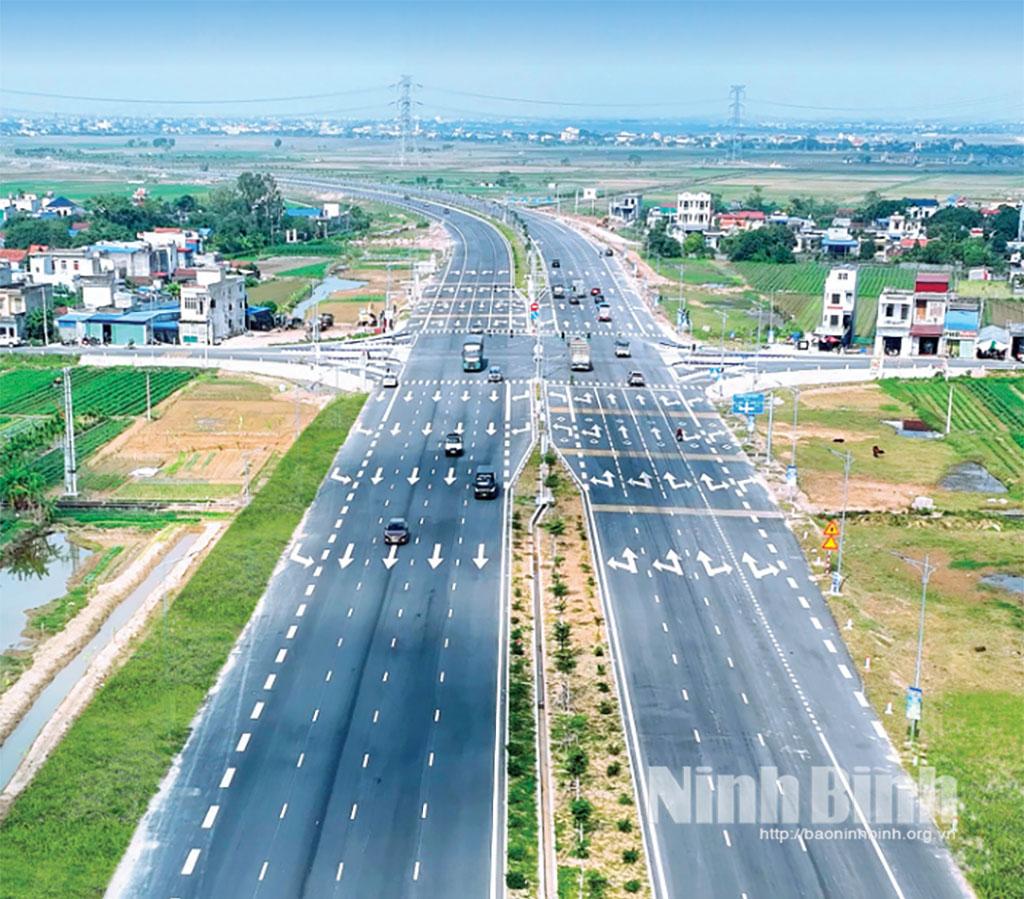
With strong determination and tireless efforts on the ground, key transport infrastructure projects are being acccelerated. Thanks to this proactive approach, many are expected to be completed three to six months ahead of schedule, creating strong momentum to help surpass the 8% economic growth target for this year.
The formation of a new province with an expanded development space is creating a turning point in the orientation of industrial development. Industrial clusters (ICs) are not only a fulcrum for local production but also play a strategic satellite role, sharing functions, supporting and reducing the load for large industrial parks (IPs). In particular, the trend of developing ICs in a green and smart direction is considered a solution to the goal of both economic growth, environmental protection and preserving the identity of the heritage land.