

Ninh Binh’s sustainable poverty reduction in combination with new-style rural area building
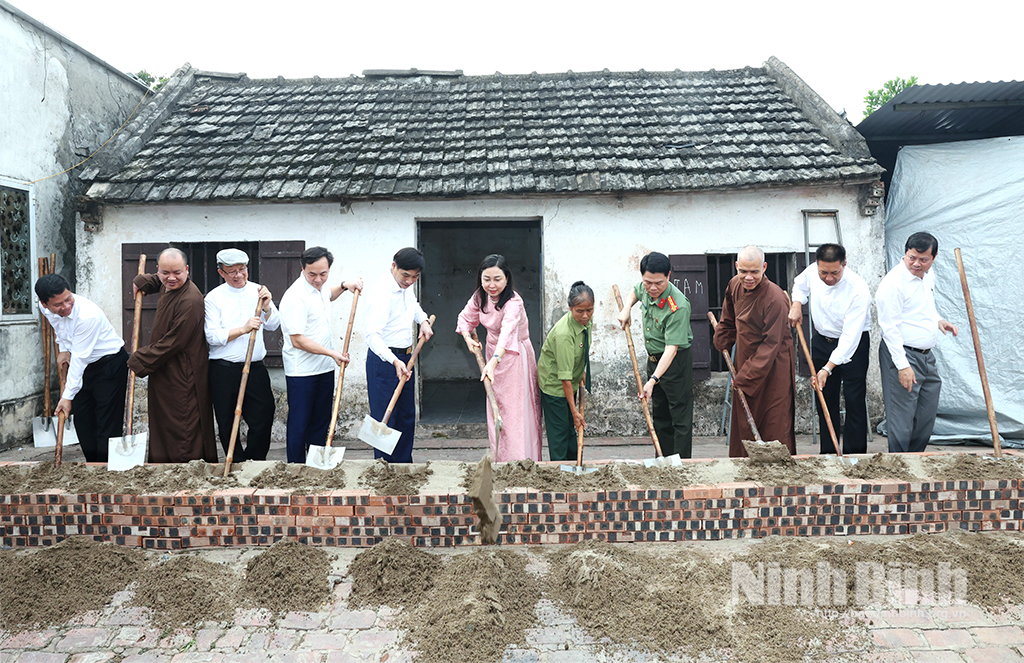
Sustainable poverty reduction - a pillar for ensuring social welfare
The merger of three provinces - Ha Nam, Nam Dinh and Ninh Binh has formed a new administrative unit that has a population of more than 4.41 million with 129 communes and wards.
Amid the new context, poverty reduction has become a priority task in a bid to ensure social stability, improve living quality and create harmonious development among areas.
In the period of 2020-2025, the province’s GRDP expanded by 9.26% per year with an per capita income of 89.45 million VND in 2025. The economic structure has shifted strongly toward industry, construction and services with a proportion of 91%.
These growth indicators not only reflected the economic resilience after the COVID-19 crisis but also laid a solid foundation for the synchronous implementation of social security policies. Notably, the multidimensional poverty rate in the province is expected to decrease to 2.87% by the end of 2025, of which the number of poor households will decrease to 0.96%.
In Ha Nam, the poverty rate will decrease sharply from 3.69% in 2021 to 1.36% in 2025 thanks to practical support programmes such as tuition exemption and reduction for thousands of students from poor households, health insurance cards for tens of thousands of vulnerable people and the widespread implementation of preferential credit.
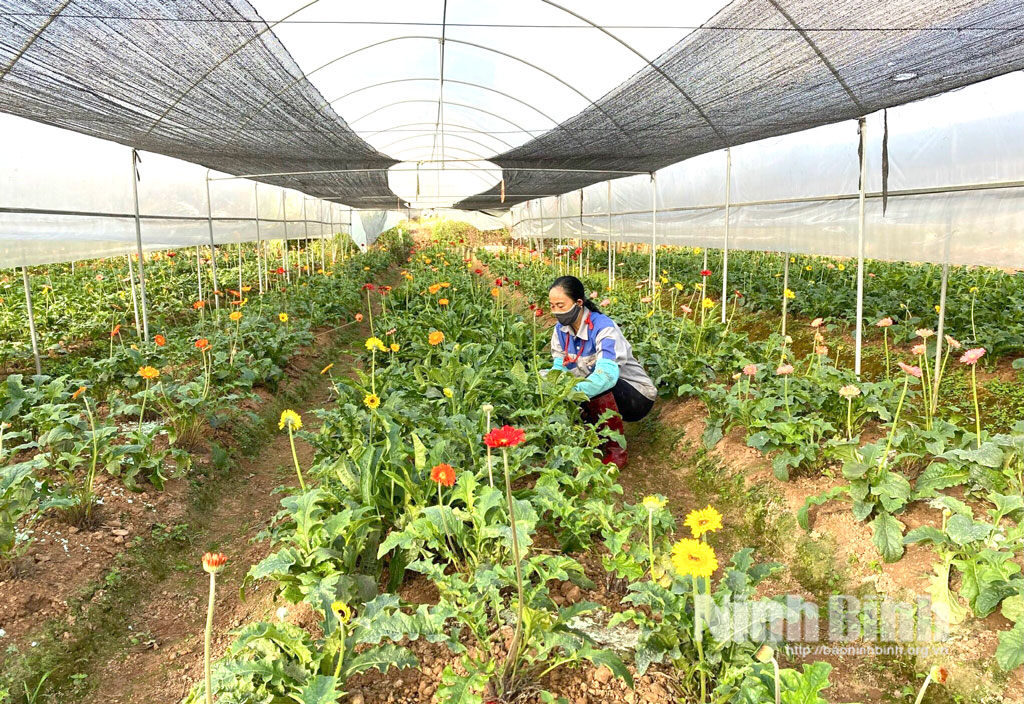
Nam Dinh also showed the power of synchronous resource allocation when more than 3,300 households were supported with new livelihoods, 2,103 households participated in agricultural production development projects, thousands of children receivee nutrition support and hundreds of workers were trained in vocational skills and have access to the job market.
More than 1.1 million free medical examinations and treatments are guaranteed for the poor, along with thousands of billions of VND in preferential credit capital, creating a comprehensive support ecosystem.
Meanwhile, former Ninh Binh province has maintained a stable poverty reduction rate, from 3.07% in 2021 to 1.48% in 2025 through a programme to repair and build nearly 1,000 new houses for the poor, deploy production models suitable to local conditions and organise more than 40 labour exchange sessions, opening up sustainable employment opportunities for tens of thousands of people.
By 2030: Striving to reduce poverty rate to below 1% in combination with building modern new-style rural areas
In the new development phase, Ninh Binh has set a target of reducing the poverty rate to below 1% by 2030.
It is expected that by the beginning of 2026, the whole province will have about 36,000 poor households, accounting for 2.88%. To reduce more than 23,500 poor households within five years, Ninh Binh has set a plan to invest 400,000 million VND in five key project groups: diversifying livelihoods, developing production and nutrition, vocational education and sustainable employment, communication - poverty reduction information and improving implementation monitoring capacity.
This shows that the province not only focuses on direct support but also aims to improve capacity, expand employment opportunities and increase access to information to create long-term and sustainable change.
An important highlight in the new orientation is the close connection between poverty reduction and new-style rural area construction.
Accordingly, each poor and near-poor household will have full access to support policies from health, education, housing to preferential credit, clean water, environment and information infrastructure.
The province has paid special attention to expanding the socialisation of resources and promoting the participation of communities, businesses and social organisations to create a comprehensive driving force, limit dependence on the budget and ensure sustainability in implementation.
Ninh Binh after the merger is gradually forming a sustainable poverty reduction model that is inter-regional, comprehensive and adaptable to new development requirements.
When economic growth is linked to ensuring social security, when every person has the opportunity to develop equally, the goal of sustainable poverty reduction will no longer be an ideal but will become a reality. On that foundation, Ninh Binh has enough potential to move towards building a modern, civilised and unique new countryside./.
Tin cùng chuyên mục
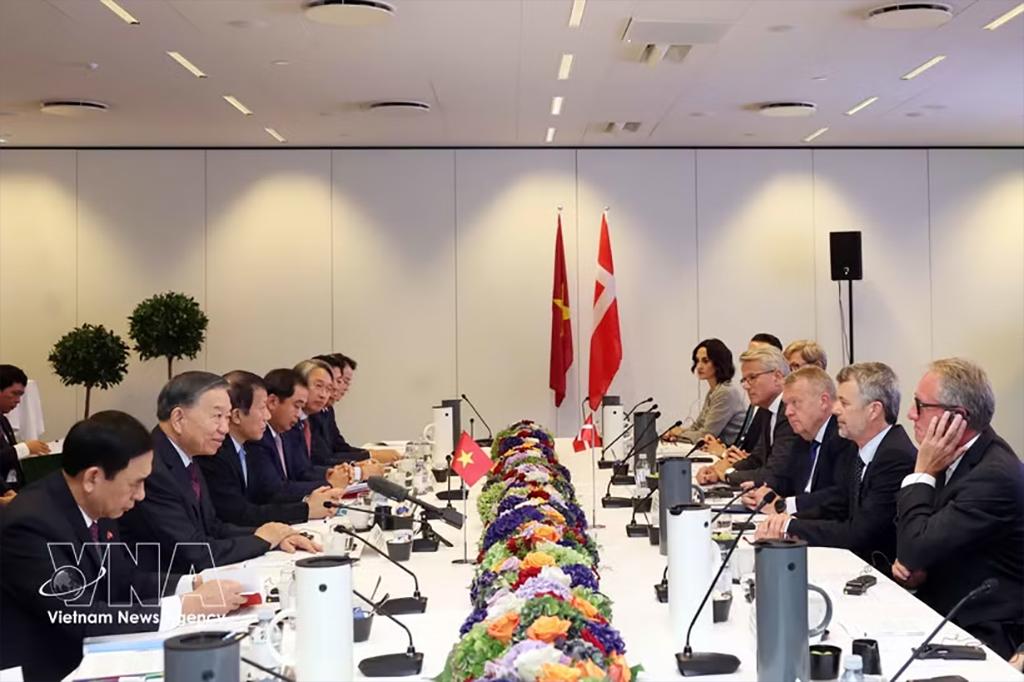
Top leader meets leading Danish businesses
NA deputies urge strengthening oversight of international agreements

Agricultural production enters year-end sprint

Awards ceremony convened for sixth Party ideology writing contest

Top Vietnamese leader hosts banquet in honour of Swiss President
