
Ninh Binh builds plan to develop itself into centrally-governed city
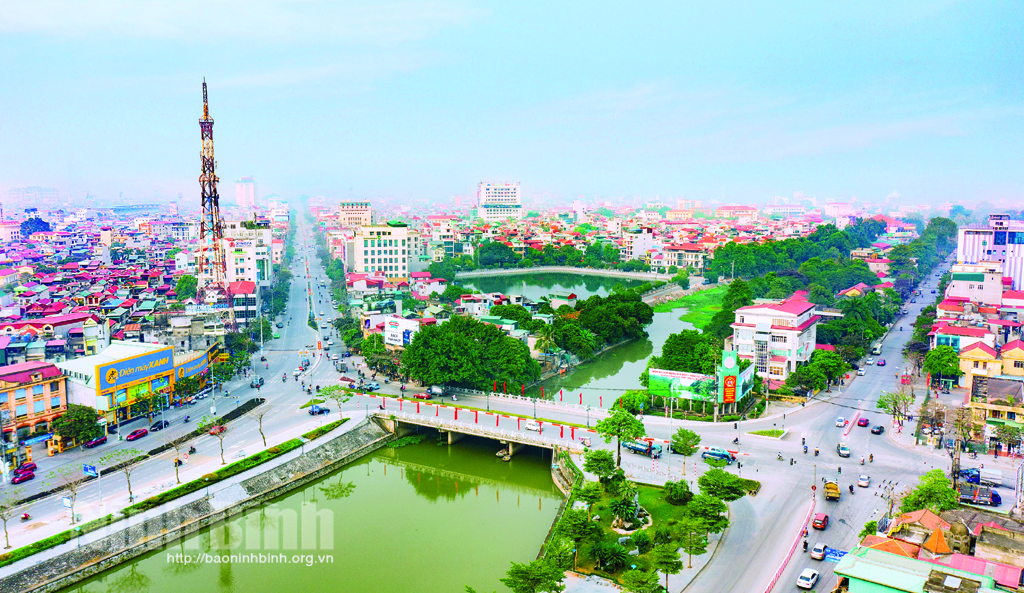
The plan aims to concretise the Resolution of the Provincial Party Congress for the 2025-2030 term and the Provincial Party Committee’s Resolution No. 05-NQ/TU dated January 30, 2026, on the goal of building Ninh Binh into a centrally-governed city before 2030.
Accordingly, the province aims for an average GRDP growth rate of at least 11% per year during the 2025-2030 period, placing it among the highest in the country. Per capita income is targeted to be higher than the national average and among the top 10 provinces and cities with high incomes.
Regarding urban development, the urbanisation rate is projected to reach 45% by 2028 and 60.1% by 2030. The province aims for 50% of its wards to achieve Type II urban development status. Expanded and newly developed urban areas will be recognised according to the approved urban development plan.
Transport infrastructure is identified as a key focus. The province aims to complete and put into operation at least two major infrastructure projects of regional or international scale, such as airports, seaports, and high-speed rail stations, ensuring public transport serves 100% of Type II urban areas.
In addition, Ninh Binh strives to have at least five architectural projects and urban areas win national or international awards; gradually achieve Level 1 smart city standards; and complete the new rural development programme as stipulated.
To achieve these goals, the province will develop the Ninh Binh Urban Master Plan, clearly defining the urban spatial structure associated with the preservation of the historical core area, the system of fortifications, and the ancient citadel. Simultaneously, it will adjust the planning of subordinate urban areas to align with the provincial plan, ensuring efficient land use and meeting development requirements.
The province will also focus on attracting investment to key areas such as Ninh Co Economic Zone, Trang An, Tam Coc Bich Dong, and Tam Chuc tourist areas, and central urban areas.
Many important infrastructure projects are planned, including an international airport, a seaport, inter-regional transport routes, and key economic and social development axes.
In parallel, projects exploiting the space along the Red River, Day River, and Ninh Co River; restoring ancient rivers; developing green spaces and landscapes; and investing in irrigation infrastructure and disaster prevention are also included in the plan.
Regarding policy mechanisms, Ninh Binh will develop and supplement regulations to support investment, and propose to the central authorities to allow the application of some specific mechanisms for key infrastructure projects. At the same time, it will encourage the attraction of resources from the private sector and implement projects in the form of public-private partnerships in the fields of education, health, and services.
In addition, the province will review and revoke projects that are behind schedule; publish a list of key projects to attract investment; and step up information and communication efforts to create consensus in the process of urban construction and development./.
Tin cùng chuyên mục

Awards ceremony convened for sixth Party ideology writing contest
Top Vietnamese leader hosts banquet in honour of Swiss President

16th National Assembly commences second session
FAO honours 10 prominent Vietnamese women in agriculture, rural development
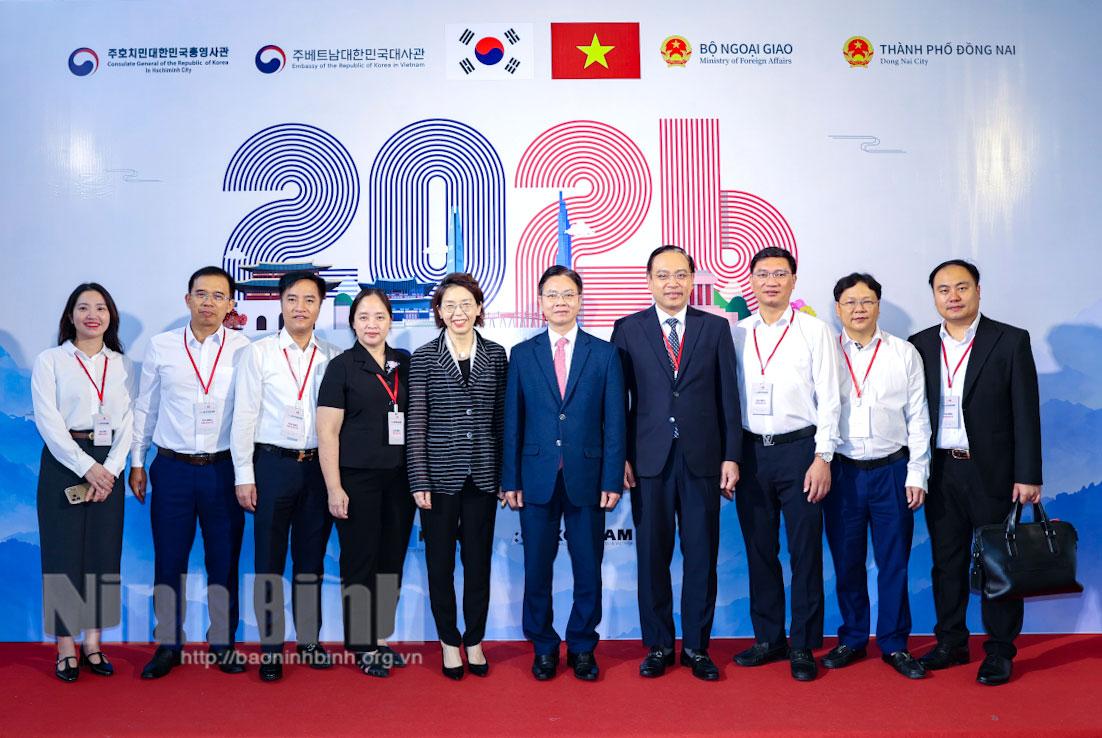
Ninh Binh’s delegation attends “Meet Korea 2026” plenary conference