

The Craft of Casting Bronze in Van Diem village
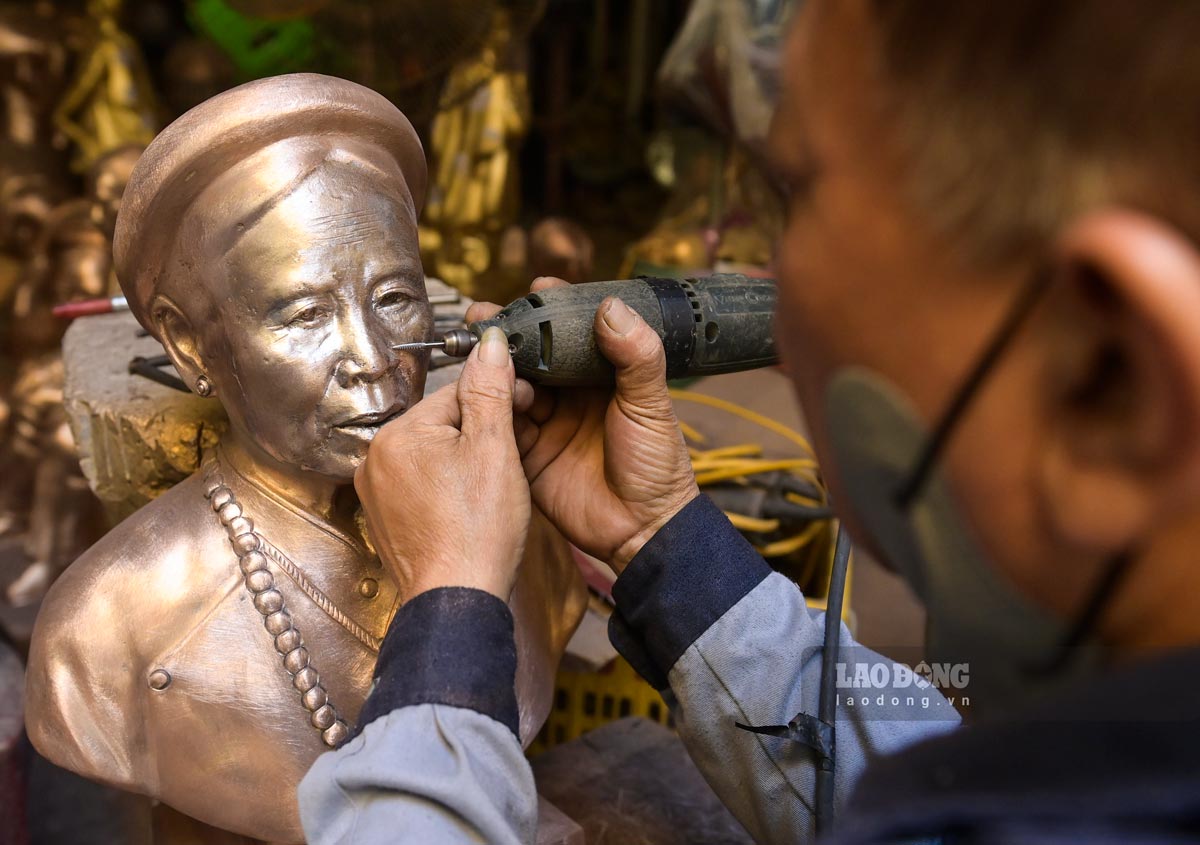
Bronze casting is not only hard and dangerous work but requires meticulous attention to detail to create perfect products. The casters have to go through many stages from choosing clay to build kilns, choosing the bronze to make molds, and melting the bronze.
Bronze products are of differen sizes and shapes that require high skills and techniques.
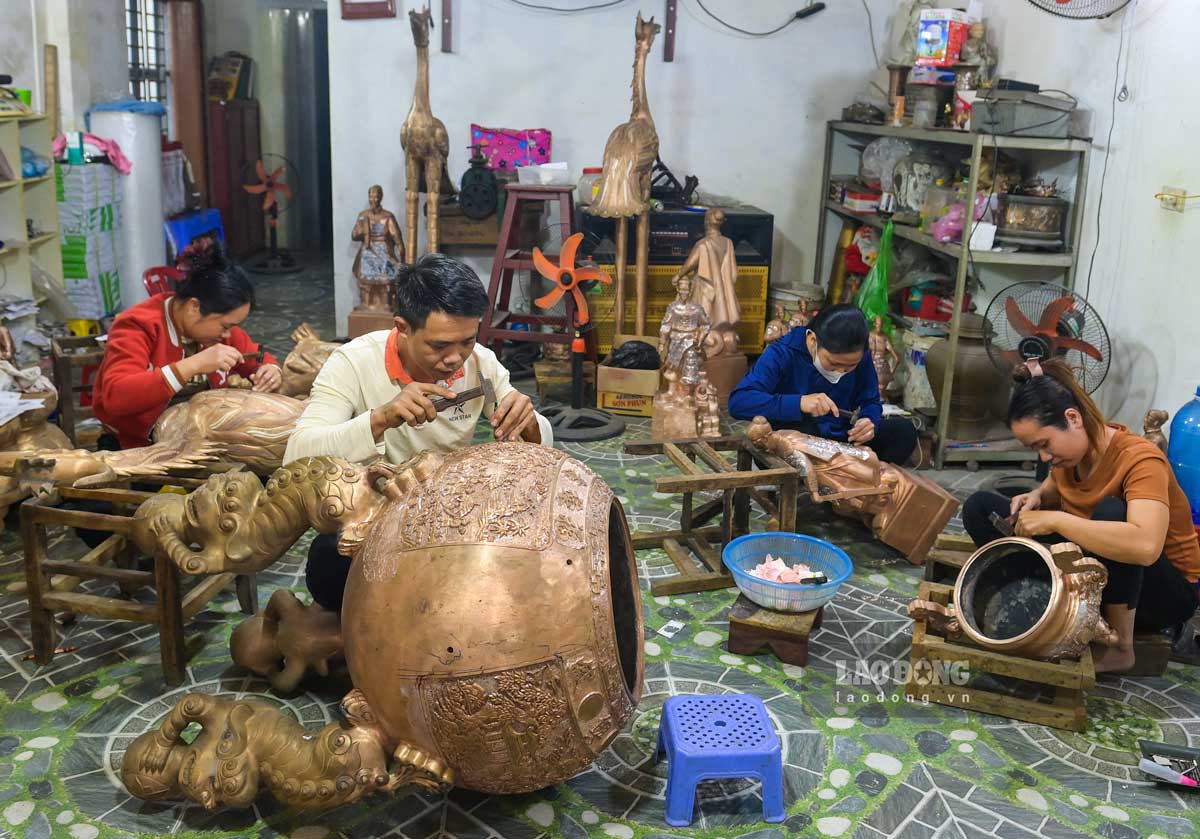
Today, the products are extremely diverse in design and function to catch up with increasing demand. They can be divided into the following main categories: household items, fine art items, and worship items.
Van Diem Village has become known all over the region for its sophisticated casting products, which are sold domestically and exported worldwide.
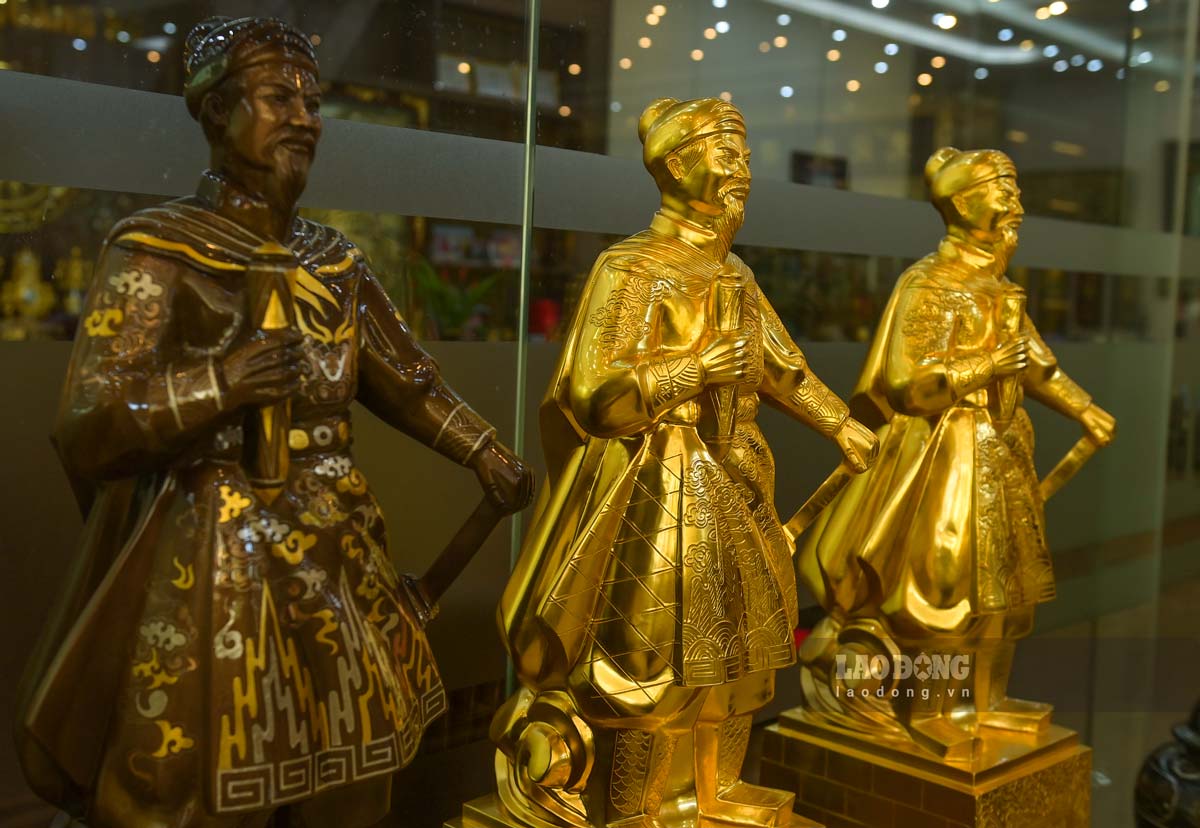
The products are not only sold to local people, but also to other provinces nationwide and exported to foreign countries. In the village, there are now about 170 workshops producing bronze fine arts items, providing jobs for thousands of local people.
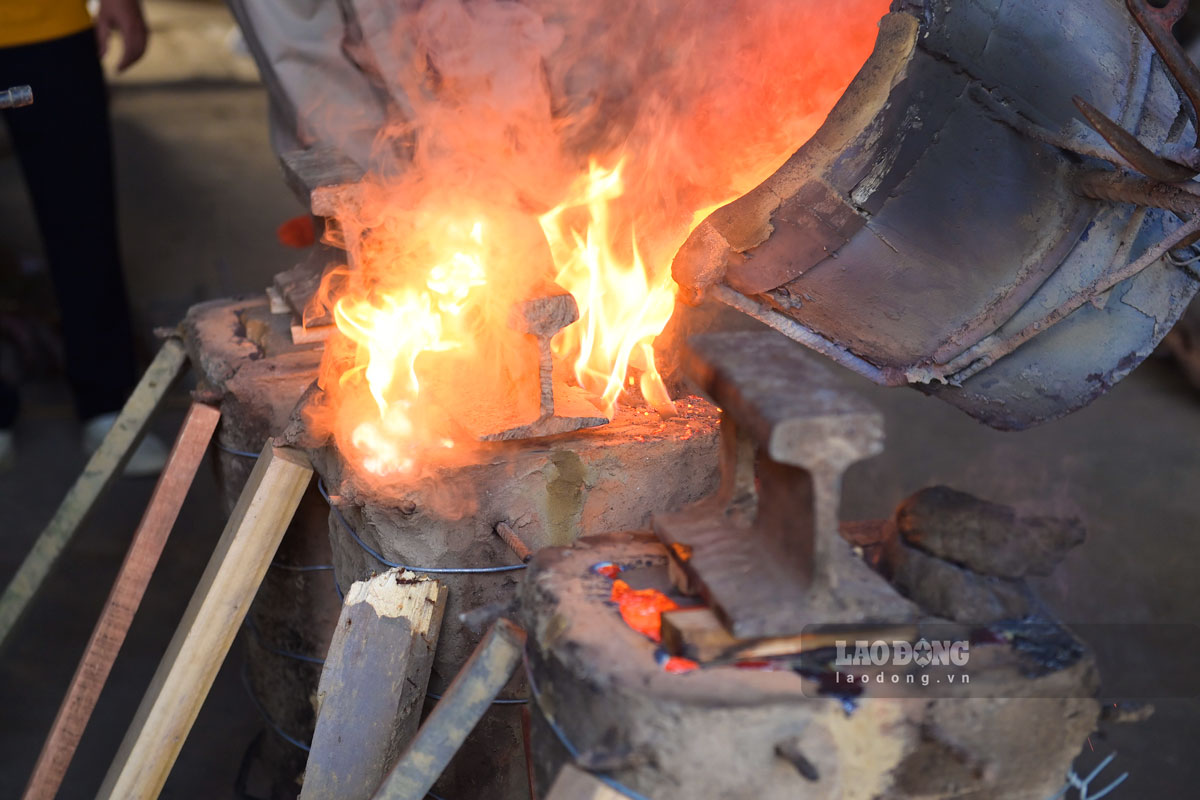
The most important and decisive step in the production process is pouring bronze into the mold. A dozen workers must follow the orders of the leader as they place nearly one tonne of raw materials, including bronze, tin, and lead, in a melting pot. After nearly an hour, the materials begin melting at a temperature of nearly 1,500 degrees Celsius. Once the bronze melts, it is poured into the mold, a task requiring great accuracy. After cooling, workers remove the mold and move on to the finishing work, using specific tools such as drills, files and knives.
Bronze casters have to rely on their experience and passion when making products, especially those of historical and cultural significance. It is not merely a question of dexterity and skill, the task also engages the artisan’s mind and soul.
According to village elders, the founder of the bronze casting craft was Khong Minh Khong, a Zen monk who taught the villagers to make bronze pots, trays, and other items in the early 12th century. The villagers have built a temple to honor his memory. They also hold annual festivals in the middle of the second lunar month to commemorate him.
Tin liên quan

Tin cùng chuyên mục
Top leader meets leading Danish businesses

NA deputies urge strengthening oversight of international agreements
Agricultural production enters year-end sprint

Awards ceremony convened for sixth Party ideology writing contest
Top Vietnamese leader hosts banquet in honour of Swiss President
