
Ninh Binh builds multi-value ecological agriculture ecosystem
Challenges in converting to organic agriculture
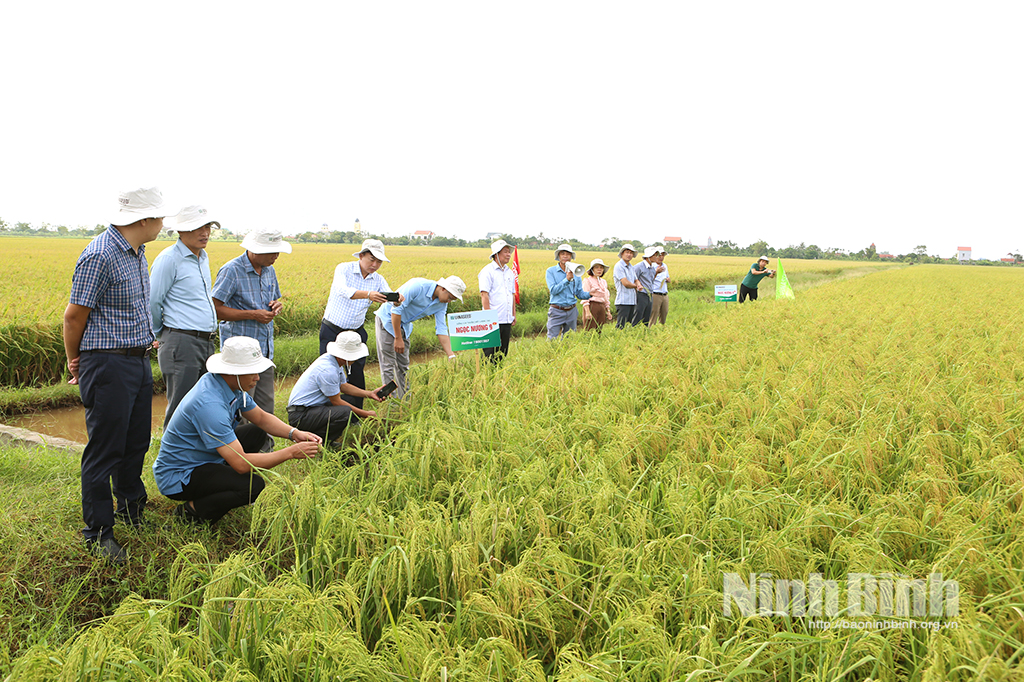
Despite many efforts in recent years, Ninh Binh's organic and ecological agriculture are still facing a series of challenges.
The area certified as organic is only 25.9 hectares. The prolonged fragmentation of land makes it difficult to synchronously apply organic production processes. Land accumulation for large-scale production, pest control, and traceability, all face obstacles.
In addition, high production costs continue to be a significant barrier, because the prices of organic fertilizers and biological products are still much higher than those of conventional agricultural materials, while the productivity of organic crops is generally lower, and the selling price on the market is not stable. This makes farmers consider very carefully before converting, especially when the agricultural labour force in the province is aging and lacking young workers.
Meeting strict criteria, long conversion time and high certification costs make many models stop at organic farming methods but still cannot proceed to official certification.
The current market reality also shows that many businesses specialising in organic agricultural production have difficulties in consumption due to a lack of clear distinction between organic products and mass products.
Pham Tien Duat, Deputy Director of Vu Gia Pharmaceutical Company Limited, emphasised the need for strong support policies from the State to help businesses overcome certification barriers, especially international certification, thereby enhancing their reputation and competitiveness in the market.
Strategic vision for developing multi-value organic agriculture
Despite facing many challenges, Ninh Binh possesses natural foundations and development space that few localities have. After adjusting administrative boundaries, the new province is a blend of three typical geographical regions: the fertile Red River Delta, the Northwest mountainous strip and the coastal area facing the North Central region. The terrain structure of "mountain accumulation - water accumulation" has created a rich ecological sub-region network, bringing opportunities to form many unique organic agricultural models.
The mountainous and semi-mountainous areas are very suitable for developing medicinal plants, native fruit trees and forest economy; the low-lying areas have advantages with rice-fish models, aquaculture and aquatic poultry; the suburban areas are favorable for high-tech vegetable and flower production; and the plains are still the key space for safe rice and vegetables.
In particular, the 90 km coastline is a valuable “reserve” that helps Ninh Binh expand brackish water aquaculture, seed production and develop marine exploitation associated with organic models and deep processing.
Not only stopping at natural conditions, the province also has a unique “agricultural identity” with many products that have become brands such as Dai Hoang royal banana, Dong Giao pineapple, Kim Son sticky rice, Tong Truong perch or Kim Son clams, and Rang Dong. These specialties have a strong ecological - cultural imprint, and can be completely upgraded in an organic direction to expand the market and increase value.
As a prominent destination on the world tourism map, Ninh Binh has favourable conditions to turn agriculture into a part of the tourism experience. The models of “tourism fields”, “experiential organic farms”, “local agricultural craft villages” can completely become a new driving force, helping organic agricultural products not only sell at higher prices but also be associated with services, culture and experiences of tourists.
Currently, the province is shaping a strategy for developing organic - ecological agriculture in a long-term, safe and high-tech direction.
According to Nguyen Sinh Tien, Deputy Director of the Department of Agriculture and Environment of Ninh Binh, many mechanisms and policies are being built in a groundbreaking direction: synchronous investment in production infrastructure; encouraging the use of organic fertilizers; building chains from production to consumption; and developing brands, collective labels and geographical indications for specialty products.
In addition, the province also prioritises policies specifically for medicinal plants, high-tech vegetables and flowers and agricultural models associated with tourism.
Thanks to consistent orientation, together with the cooperation of people and businesses, Ninh Binh’s agriculture sector is entering a stronger transformation path. The goal is not only to create clean and safe agricultural products but also to aim for added value, create livelihoods and contribute to the sustainable development of the province in the future./.
Tin cùng chuyên mục
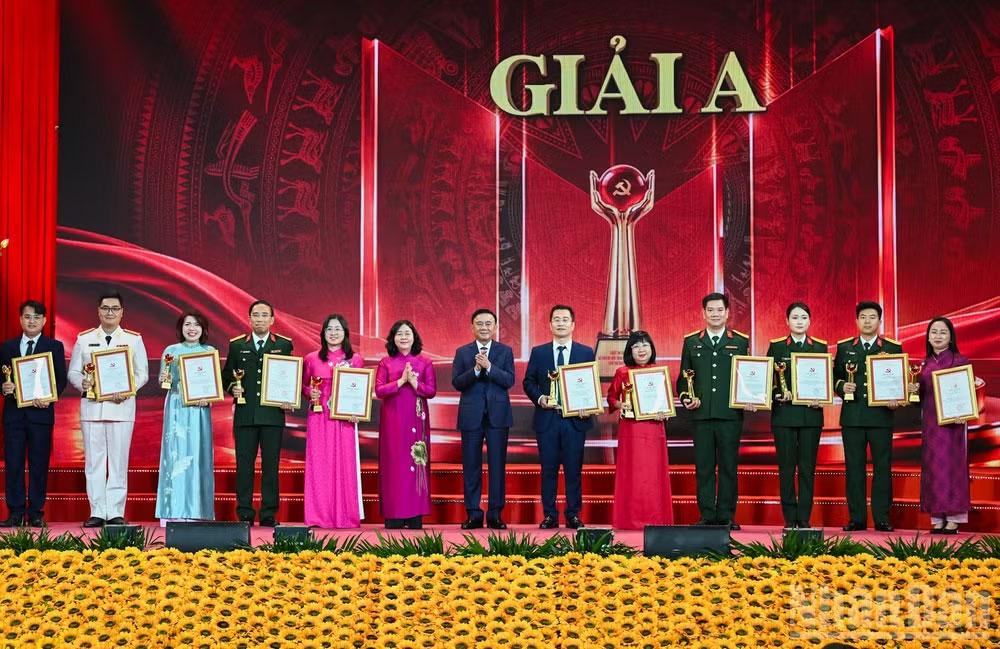
Awards ceremony convened for sixth Party ideology writing contest
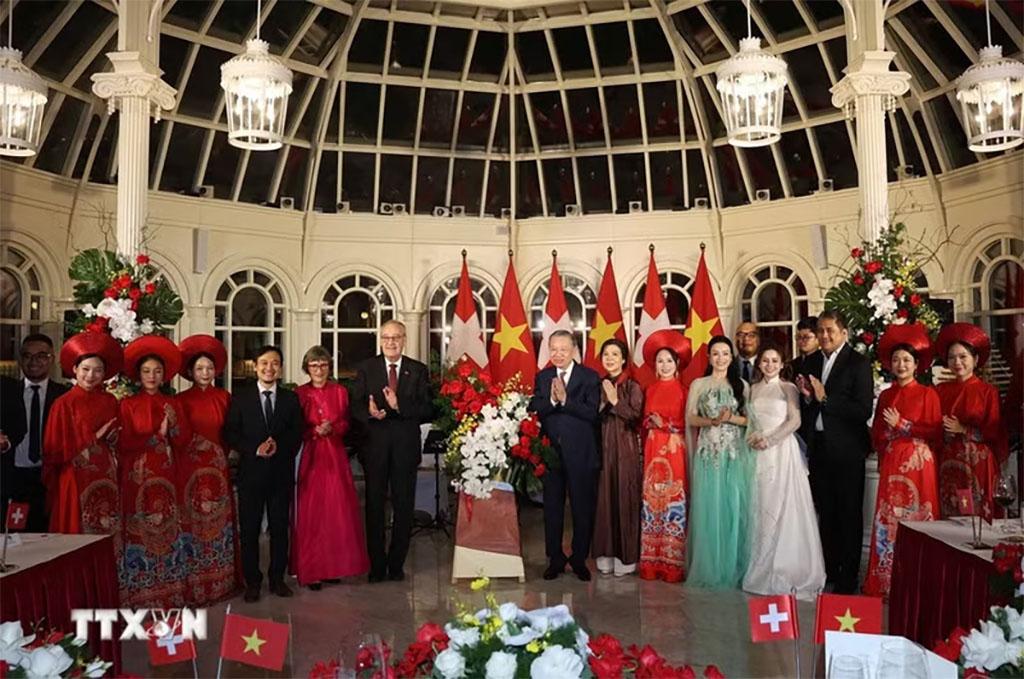
Top Vietnamese leader hosts banquet in honour of Swiss President

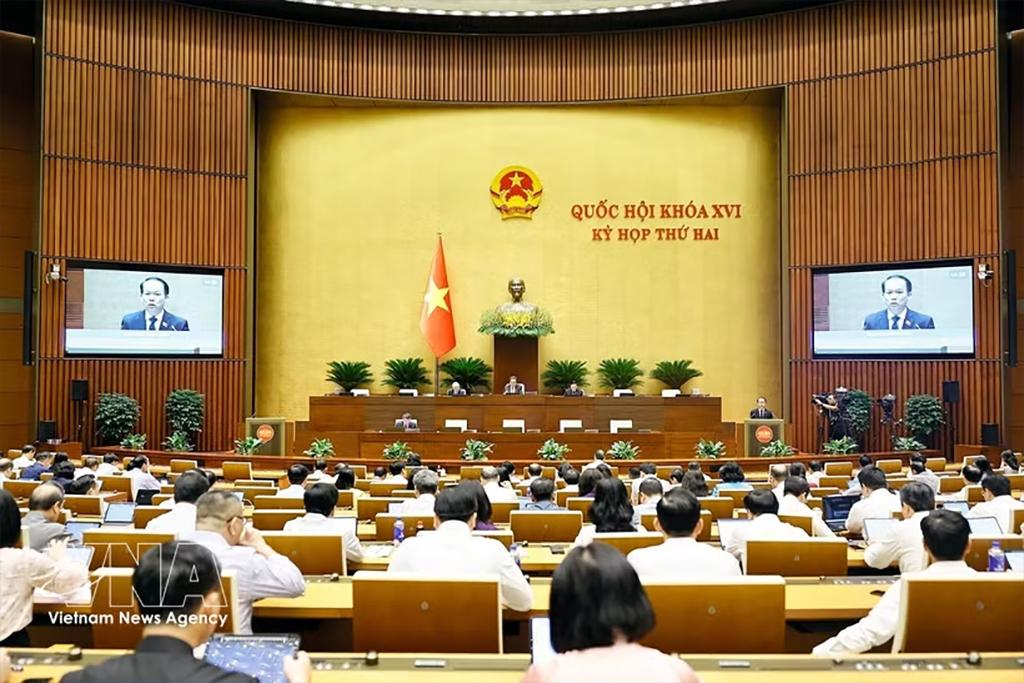
16th National Assembly commences second session
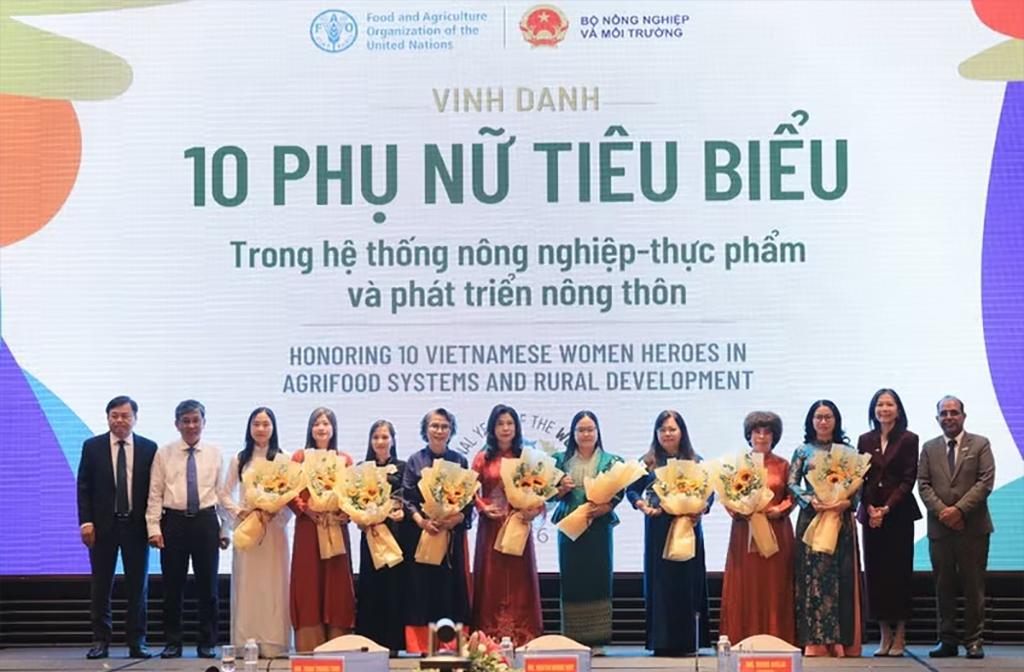
FAO honours 10 prominent Vietnamese women in agriculture, rural development
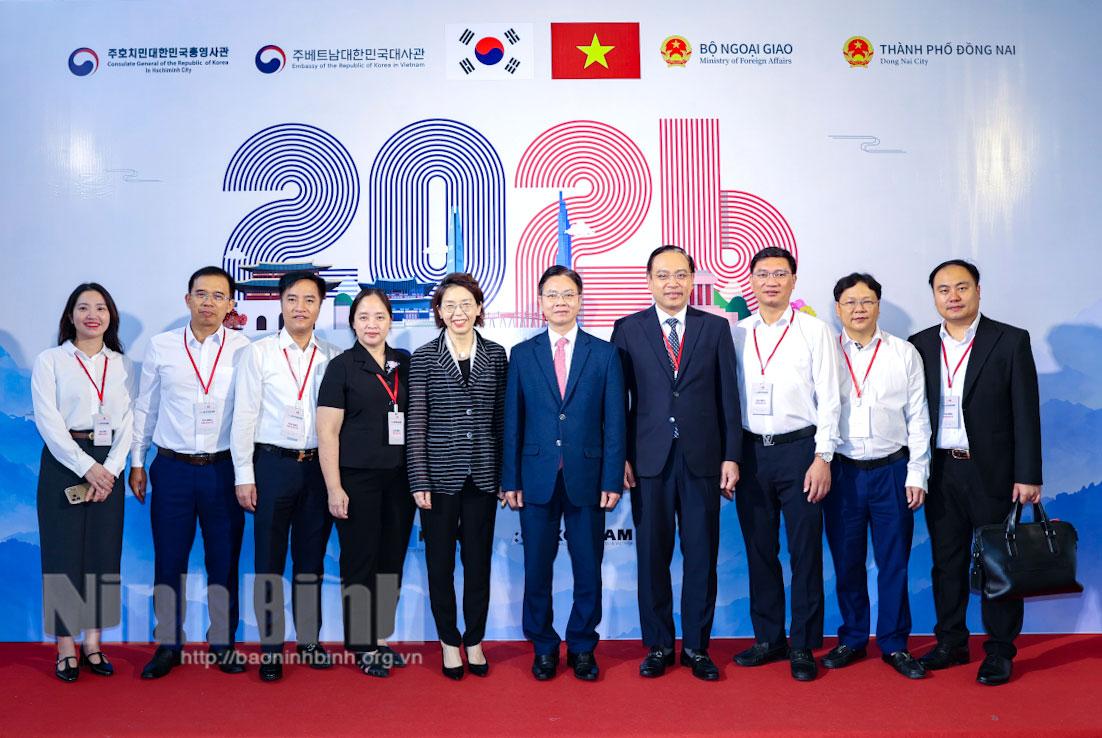
Ninh Binh’s delegation attends “Meet Korea 2026” plenary conference