

Ninh Binh steps up efforts to contain African swine fever
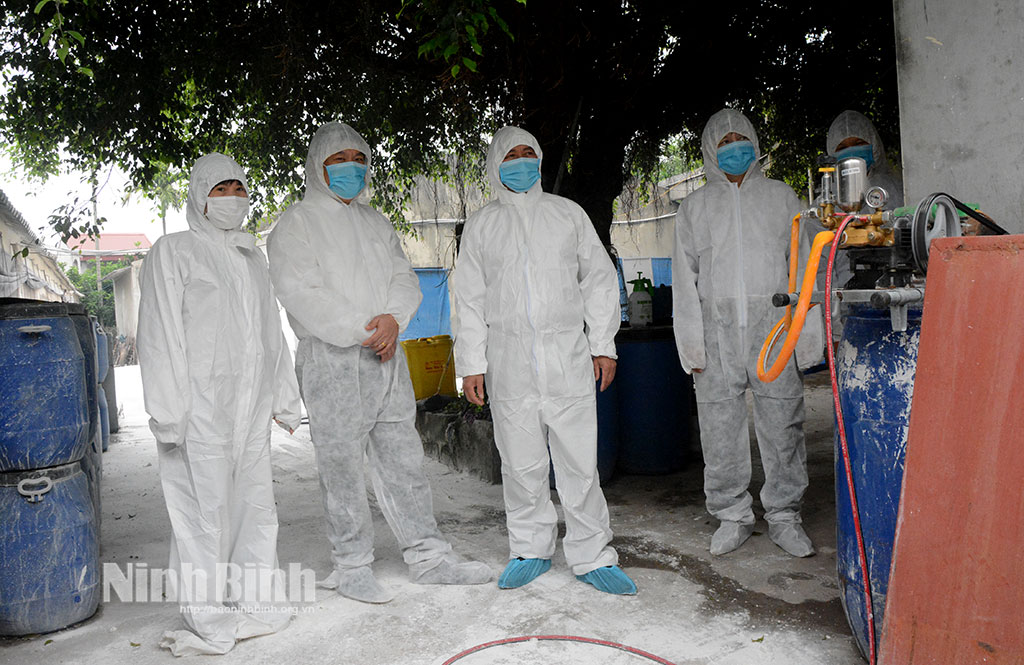
According to the Veterinary Animal Health Information System (VAHIS), since the beginning of 2026, Vietnam has recorded 1,542 ASF outbreaks across 31 of 34 provinces and centrally-run cities, resulting in 205,602 pigs being culled or dying from the disease. Ninh Binh is among eight localities where more than 10,000 pigs have been culled.
Since early November 2026, ASF outbreaks have been reported in an additional 12 communes and wards across Ninh Binh, with outbreaks recurring in half of these localities. Dong Thai, Tay Hoa Lu, Nho Quan, Thanh Son, Phu Son and Yen Khanh are among the hardest-hit areas, where large numbers of infected pigs have had to be culled, while outbreaks have persisted for several days and repeatedly re-emerged.
In response, on November 16, the Ninh Binh Provincial People's Committee issued Official Dispatch No. 8151, calling for intensified, decisive and coordinated implementation of measures to effectively control and contain ASF.
According to Vice Chairman of the Ninh Binh Provincial People's Committee Tran Anh Dung, the immediate priority is to mobilise resources and implement comprehensive and resolute disease prevention and control measures at the grassroots level. These efforts are aimed at swiftly containing and completely stamping out outbreaks, minimising losses for livestock farmers, while ensuring an adequate pork supply towards the end of the year and during the upcoming Lunar New Year (Tet) holiday.
Commune- and ward-level People's Committees have been instructed to proactively mobilise local resources, prioritising the deployment of personnel with expertise in animal husbandry and veterinary medicine to monitor, detect and respond promptly to outbreaks.
Alongside measures such as cleaning and disinfecting livestock housing and vaccinating herds, local authorities are required to step up public awareness campaigns, strengthen disease surveillance and strictly enforce relevant regulations. They must also make necessary preparations for the restocking of pig herds in areas where outbreaks have been brought under control.
Livestock farmers are urged to closely monitor the health of their herds and immediately report any suspected cases to local officials or veterinary authorities. They must not conceal outbreaks or engage in the trading, transport, transfer or slaughter of pigs suspected of being infected.
Relevant agencies are also required to tighten supervision of pig slaughtering, trading and transport activities, particularly the movement of pigs into and out of the province, in a bid to prevent the further spread of the disease./.

Tin cùng chuyên mục
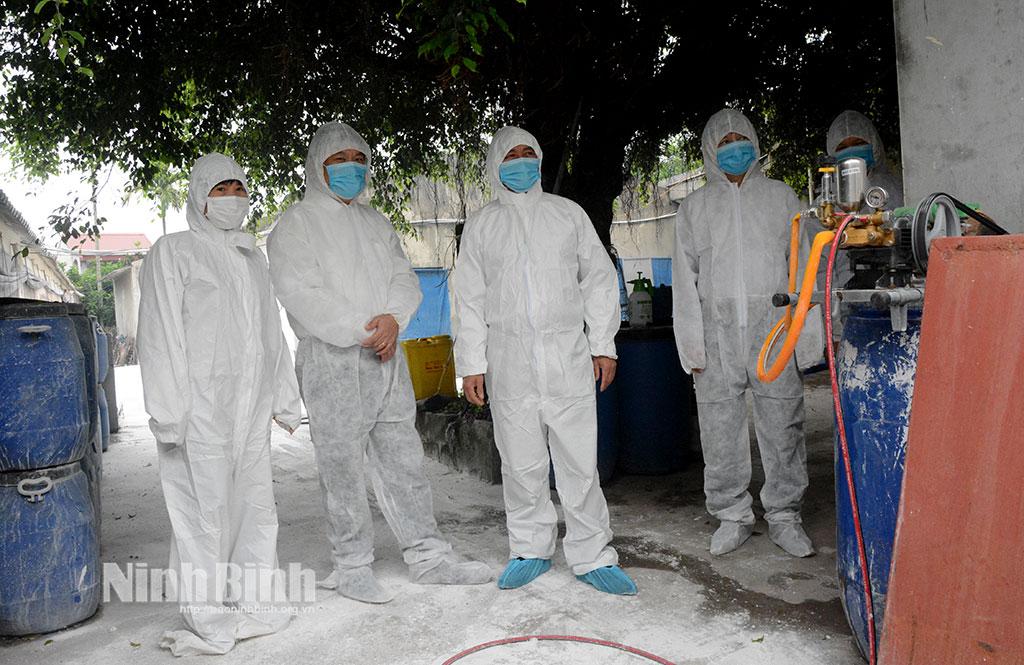
Ninh Binh steps up efforts to contain African swine fever

Number of unemployment insurance participants rises 10.54%


Vietnamese Prime Minister Le Minh Hung attends 23rd ASEAN-India Summit

Vietnam, China asked to keep elevating strategic trust

Standing Deputy Prime Minister Pham Gia Tuc visits businesses in Ninh Binh