
Ninh Binh creates livelihoods to help residents escape poverty sustainably
Creating livelihoods and raising incomes
In recent years, alongside the implementation of social welfare policies, Ninh Binh province has focused on developing production models and creating jobs to help residents gradually stabilise their lives and become more self-reliant in overcoming poverty.
Hundreds of livelihood models and production development projects linked to the One Commune One Product (OCOP) programme and value chain partnerships have been rolled out, helping improve incomes for labourers from disadvantaged backgrounds.
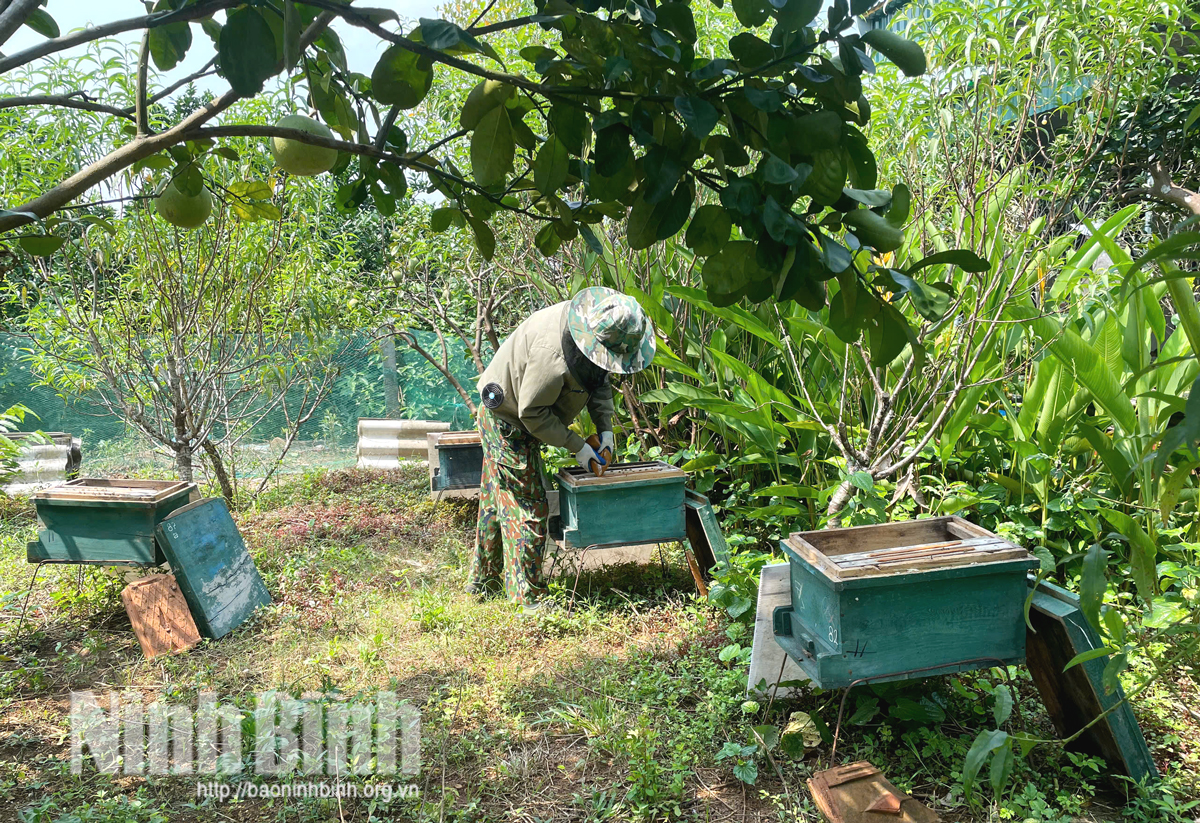
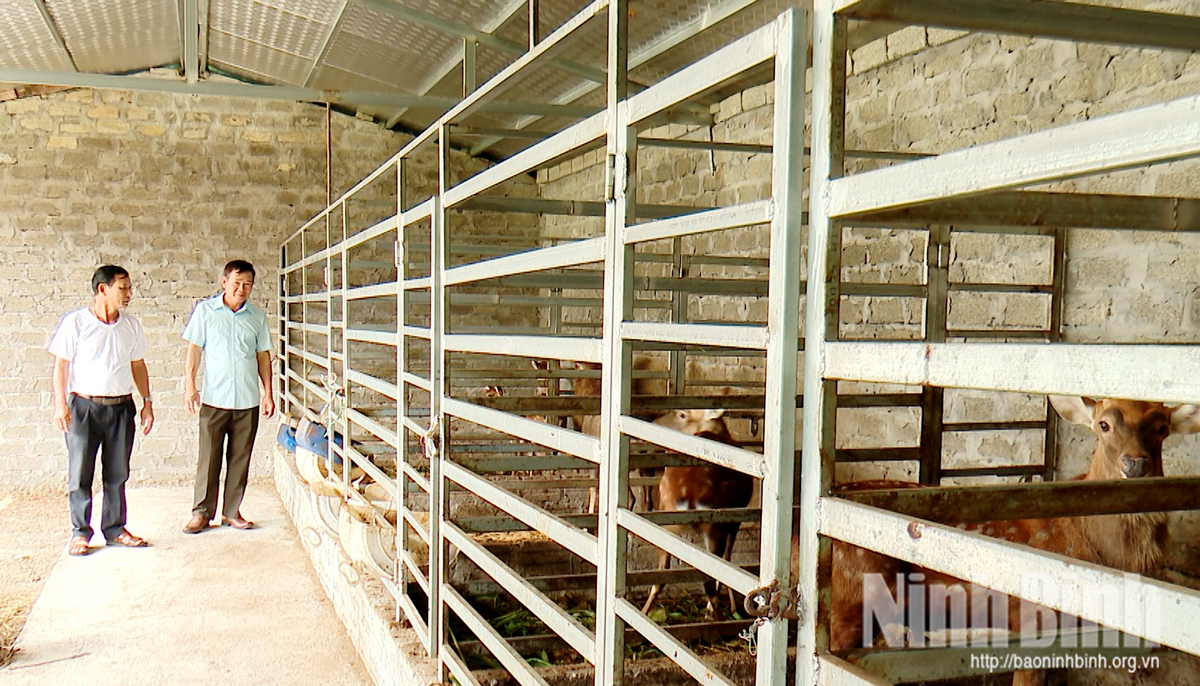
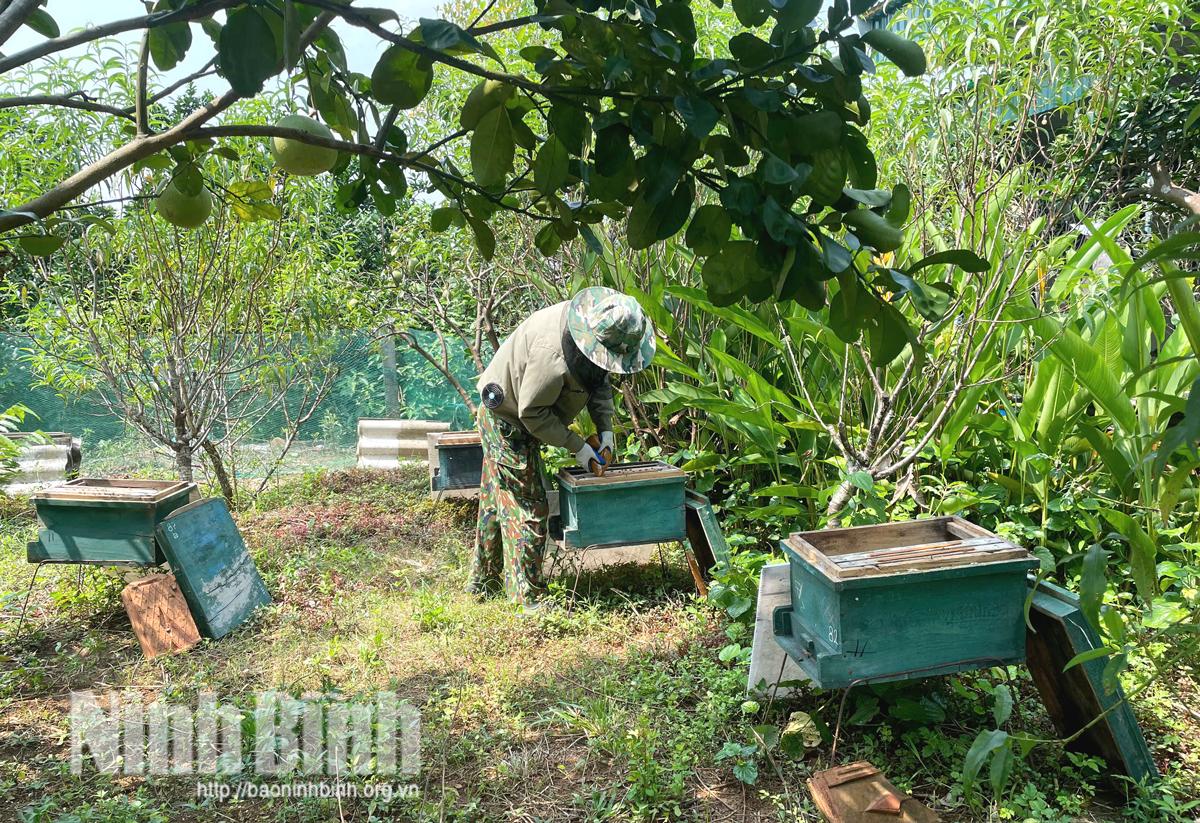
In Phu Long commune, the restructuring of crop cultivation and livestock production to suit local hilly terrain has opened up new opportunities for economic development. Models involving off-season custard apple cultivation, pineapple growing and deer farming for velvet antler production are proving effective.
Phu Long currently has more than 200 hectares of custard apple orchards, including around 150 hectares cultivated through cooperative-based production linkages. On average, each hectare of off-season custard apples generates an annual income of 320-350 million VND.
Nguyen Van Thuat, Director of the Phu Long Cooperative for Off-season Custard Apple Production and Safe Fruit Consumption, said the commune had established a large-scale specialised area for off-season custard apple cultivation, with an average yield of around 10 tonnes per hectare.
He noted that consistently high selling prices had provided stable incomes for the Muong ethnic community and local residents, helping them escape poverty sustainably.
In addition to encouraging residents to shift to more suitable crops and livestock, local authorities have introduced policies to facilitate access to loans, provide vocational training, transfer scientific and technical advances, and connect producers with markets. Developing economic models that capitalise on local strengths has not only boosted incomes but also created more jobs for rural workers.
Targeting a lower poverty rate
On May 11, 2026, the Ninh Binh Provincial People's Committee issued Plan No. 159/KH-UBND on implementing the National Target Programme on New-style Rural Area Development, Sustainable Poverty Reduction, and Socio-economic Development in Ethnic Minority and Mountainous Areas for the 2026-2030 period.
The plan aims to translate the National Assembly and Government’s resolutions into concrete action while unlocking local potential and strengths to promote sustainable development.
By 2030, the province aims to reduce its multidimensional poverty rate to below 1% and increase average rural incomes to 2.5-3 times the 2020 level.
It also aims to eliminate all particularly disadvantaged hamlets in ethnic minority and mountainous areas, have at least 70% of communes meet new-style rural area standards, and ensure that at least 12% achieve advanced new-style rural area standards. In addition, the province plans to develop 200 more OCOP products rated three stars or higher, including at least four five-star products.
To achieve these targets, Ninh Binh is mobilising resources to invest in rural infrastructure, with priority given to mountainous areas, ethnic minority communities and other disadvantaged localities.
The province will continue helping residents access preferential credit, expand effective production models and encourage businesses to participate in agricultural production and marketing linkages.
Alongside livelihood development, support policies covering housing, healthcare, education and legal aid will remain in place to improve living conditions and reduce the risk of households falling back into poverty.
Dinh Thi Lua, Deputy Secretary of the Provincial Party Committee and President of the Vietnam Fatherland Front Committee of Ninh Binh province, said that in recent years, alongside socio-economic development, the province has consistently prioritised the implementation of social welfare policies and efforts to improve people's living standards. These had been identified as a regular political task, reflecting the responsibility of Party committees and local authorities towards residents.
She expressed her confidence that linking poverty reduction with job creation, production development and income improvement would give residents greater opportunities to develop their livelihoods and gradually overcome poverty through their own efforts.
Mobilising community strength for social welfare
During the 2024-2026 period, thanks to the involvement of the entire political system and support from the business community, organisations and individuals, Ninh Binh has recorded positive results in mobilising resources for social welfare activities.
In the 2024 fundraising campaign alone, the provincial Social Welfare Fund received more than 13.8 billion VND.
The fund, together with contributions from the wider community, enabled the province to carry out a range of practical activities, including building and repairing houses under the Great Unity Housing Programme, visiting and presenting gifts to poor and near-poor households during the Lunar New Year, and supporting people affected by natural disasters or unexpected hardships to stabilise their lives and restore production.
Lua said that despite the positive progress made in poverty reduction, poor and near-poor households, vulnerable people and families facing difficulties due to natural disasters, epidemics or unexpected life events still need support and assistance.
In response, Ninh Binh has continued mobilising social resources for its 2026 Social Welfare Fund, which has received total contributions of more than 31.47 billion VND. Of this amount, the provincial Business Association alone contributed 22.39 billion VND.
These meaningful contributions have not only provided additional resources to help poor and disadvantaged people gradually stabilise their lives but also spread a spirit of sharing and solidarity, strengthening collective efforts to achieve the province's social welfare goals./.

Tin cùng chuyên mục
Ninh Binh creates livelihoods to help residents escape poverty sustainably
APEC 2027 gives Vietnam greater role in Asia-Pacific affairs
Top leader calls for building society where compassion becomes way of life
APEC 2027 journey: Forging a new era together
16th National Assembly concludes second session